Are you wondering how appraisals affect your Old Town Alexandria sale or purchase? You are not alone. Appraisals can feel opaque, especially with historic rowhouses and unique condos in the mix. In this guide, you will learn how the process works in Virginia, what lenders look for, how historic homes are handled, and what to do if the value comes in low. Let’s dive in.
What an appraisal does
An appraisal estimates a home’s market value for the lender. The appraiser is an independent, licensed professional who follows USPAP standards and Virginia state licensing rules. While the report can inform your negotiations, the appraiser’s client is the lender, and the lender uses the value to protect its collateral.
Appraisals follow program rules set by conventional, FHA, or VA lending. Each program has specific requirements that can affect both valuation and property condition. In Old Town, the loan type you use can shape what repairs, if any, are needed before closing.
Step-by-step process
Lender orders the appraisal. This typically happens after you submit your loan application and is often coordinated through an appraisal management company.
On-site inspection. The appraiser visits the property, measures the living area, reviews layout and condition, notes major updates and defects, and photographs interior and exterior.
Market analysis and comps. The appraiser selects recent comparable sales, applies adjustments for differences like parking, bathrooms, finished lower levels, and significant upgrades, then reconciles to a final value.
Written report. Most single-family homes use the Uniform Residential Appraisal Report (URAR Form 1004). Reports often include a Market Conditions Addendum (1004MC) to document local trends. Condos and other property types use different standardized forms.
Underwriting decision. The lender reviews the appraisal and finalizes loan terms. If the value supports the contract price, the loan moves forward subject to underwriting.
Timeline and typical cost
Turnaround is commonly 7 to 14 calendar days from order to delivery. It can take longer in busy seasons or for complex, historic, or highly unique homes. Some lenders can expedite for a fee.
Appraisal fees vary. Expect several hundred dollars for a typical single-family home, with higher fees for complex or historic properties. In Northern Virginia, fees tend to run above rural averages due to market complexity and travel time.
Loan types and what changes
Conventional loans
Conventional appraisals follow Fannie Mae and Freddie Mac guidelines. The lender uses the appraised value to calculate loan-to-value. If the appraisal is lower than the contract price, the loan amount is usually based on the lower appraised value.
FHA loans
FHA appraisals include both valuation and a property eligibility check against Minimum Property Requirements. Safety and structural issues must be addressed for the loan to proceed. Older homes with significant deferred maintenance may require repairs before closing.
VA loans
VA appraisals produce a Certificate of Reasonable Value and also review Minimum Property Requirements. Habitability and safety carry significant weight. Buyers using VA financing should be prepared to resolve noted MPR issues.
What this means in Old Town
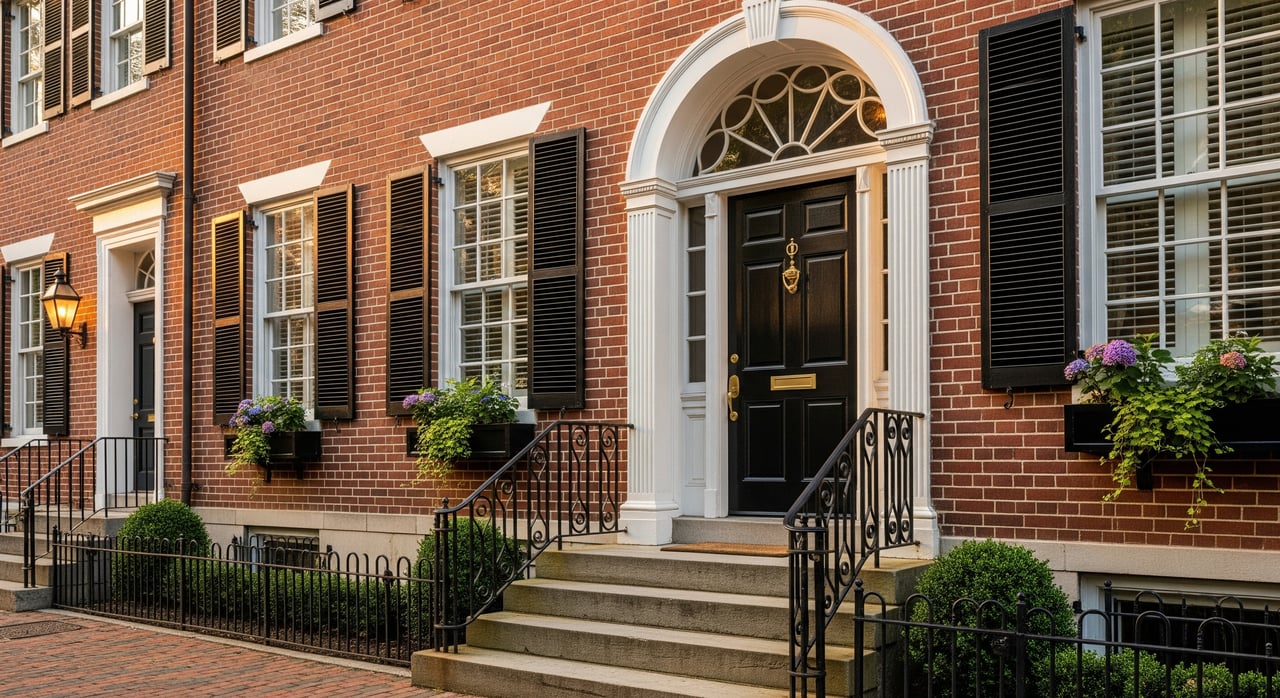
Old Town’s mix of historic rowhouses, converted-building condos, and renovated townhomes can trigger repair requirements under FHA or VA. Conventional loans are generally more flexible on cosmetic items, but major defects still need to be addressed regardless of program.
Historic homes and comps in Old Town
Why comps can be tricky
Old Town properties often have distinctive architecture, small lots, and preservation constraints. That makes finding true apples-to-apples sales challenging. Low sales volume for certain blocks or property types may force appraisers to expand the search area or use older sales with time adjustments.
How appraisers adjust
Appraisers prioritize location, bedroom and bathroom count, gross living area, layout, and site factors. In Old Town, frequent adjustments include parking versus no parking, level of renovation, presence of modern systems, outdoor space, and historic versus restored condition. If recent sales are scarce, the appraiser may widen the radius or extend the time frame and document market movement in the report.
Historic pros and cons
Historic designation is typically neutral unless it affects marketability or allowable changes. Positive drivers include proximity to King Street and the waterfront, and the charm many buyers seek. Potential negatives include costly preservation requirements, limits on exterior updates, and the absence of features like off-street parking or elevators in multi-level rowhouses.
Real-world examples
- Renovated historic rowhouse: A gut-renovated interior with new systems and modern kitchens and baths will be compared to other renovated rowhouses. Lack of parking is often adjusted against comps that have it.
- As-is historic home: Deferred maintenance and functional issues can reduce value to reflect cost-to-cure or obsolescence. FHA and VA may require certain repairs to meet MPRs.
- Condo in a converted building: The appraiser looks for closed sales in the same building or similar conversions. HOA health, building condition, and recent assessments can influence lender acceptance and value.
What happens if the value is low
An appraisal gap occurs when the appraised value is lower than the contract price. The lender will size the loan based on the appraisal, which creates a shortfall to solve. You have several options:
- Bring additional cash to closing to cover the difference.
- Renegotiate the price or adjust credits and concessions.
- Cancel under an appraisal contingency, if your contract allows.
- Ask the seller to complete repairs or provide credits if condition drove the issue.
- Explore different loan programs or increase your down payment to meet LTV limits.
- Request a reconsideration of value through your lender.
In competitive Old Town markets, buyers sometimes waive appraisal contingencies or add appraisal gap language that commits cash up to a cap. Be sure you are comfortable with the risk and have the funds to perform.
Reconsideration of value: how it works
A reconsideration of value (ROV) asks the original appraiser, through the lender, to review new information. Appraisers may revise the value if the new data is compelling and supported by market evidence. Not every request leads to a change.
What helps:
- Correct factual errors, such as square footage or bedroom count, with clear documentation.
- Provide recent closed sales that are truly comparable and were not included in the report.
- Submit receipts and permits for material improvements completed before the contract.
- Share relevant condo or HOA documents if the original comps were not representative.
What to expect:
- The appraiser can decline to change the opinion if new comps are weaker or speculative.
- The lender may order a desk review or a second appraisal in limited cases, depending on program rules.
- Responses often take several days to a week.
How to prepare in Old Town
Sellers: make the value easy to see
- Create an improvement packet with a concise list of major upgrades, dates, scope, permits, and receipts. Include before-and-after photos for big projects.
- Share 3 to 5 recent, highly comparable sales with addresses, sale dates, and prices. Focus on quality over quantity.
- Ensure full access and a tidy home for the inspection. Point out new systems, roof, insulation, and energy upgrades with documentation.
- Disclose relevant constraints like historic easements and highlight benefits such as deeded parking or extra storage.
Buyers: set yourself up for success
- Keep inspection reports, contract addenda, and seller repair invoices handy for your lender.
- If using FHA or VA, understand Minimum Property Requirements and which repairs may be required.
- Consider an appraisal contingency or plan for a defined appraisal gap strategy if the market is competitive.
Get local guidance that fits Old Town
Every appraisal hinges on local sales and the way buyers value historic character, updates, and amenities like parking. A team that understands Old Town’s nuances can help you choose the right loan path, prep for the appraisal, and respond quickly if value comes in short. If you are buying or selling in Old Town, let’s talk about your goals and craft a plan that gives you clarity and confidence.
Ready to move forward? Connect with Koki Adasi for a local, concierge-style approach that helps you navigate appraisals and negotiate with confidence.
FAQs
What is a home appraisal in Virginia sales?
- It is an independent estimate of market value for the lender, performed by a licensed appraiser who follows USPAP and program guidelines.
How long do Old Town appraisals take?
- Typical turnaround is 7 to 14 days, with longer timelines possible for complex or historic homes and during busy seasons.
What if my appraisal is lower than the contract price?
- You can bring cash to cover the gap, renegotiate, cancel if allowed by your contingency, change loan programs, or request a reconsideration of value.
Do FHA and VA appraisals require repairs in Old Town?
- They can. Both programs apply Minimum Property Requirements that focus on safety and habitability, which may require repairs before closing.
How do appraisers value historic rowhouses without perfect comps?
- They expand the search radius or time frame if needed and adjust for differences like parking, renovations, and modern systems to reflect market preferences.
Who can request a reconsideration of value?
- The lender submits it to the original appraiser, often after the buyer or agent provides corrected facts, stronger comparable sales, or documented improvements.