
Thinking about a condo in Logan Circle or Dupont and staring at a thick resale package? You are not alone. The documents can feel dense, yet they hold the answers to your biggest questions about costs, rules, and risk. In this guide, you will learn what each item means, what to look for, and how to spot red flags before you finalize your offer. Let’s dive in.
What a DC resale package includes
Declaration or Master Deed
This is the legal foundation of the condo. It defines unit boundaries, common and limited common elements, and your share of common expenses. Focus on how assessments are allocated, any easements or shared walls, and whether any developer rights remain.
Look for unclear unit boundaries, odd expense allocations, or broad developer rights that still exist. These can create disputes or unexpected costs later.
Bylaws and Articles of Incorporation
These documents explain how the association runs. Review board size, election process, and voting thresholds for major actions. See if any owner has disproportionate voting power.
Flag very high quorum or supermajority requirements or hard-to-change rules. These can slow decisions and create governance gridlock.
Rules and Regulations
House rules cover daily life: pets, leasing, noise, parking, storage, renovations, and moves. Confirm whether short-term rentals are allowed, if there is a rental cap, and how renovation approvals work.
If you have a pet, plan to rent in the future, or want to renovate, match the rules to your plans. Very restrictive rules or high move-in or renovation fees deserve attention.
Operating Budget and Financial Statements
The budget shows what you pay each month and where it goes. Review assessment amounts, what they cover, cash on hand, and reserve contributions. Compare recent years for trends in expenses or assessments.
Red flags include budgets balanced by dipping into reserves or frequent special assessments, steep annual increases, or very low operating cash. These may signal near-term hikes or one-time assessments.
Reserve Study and Reserve Funding
A reserve study estimates the life and replacement cost of major building systems. Look for the funded ratio, whether the budget follows study recommendations, and upcoming projects like roofs or façade work.
Little or no reserves, an old or missing study, or big projects without a funding plan suggest a higher risk of special assessments.
Meeting Minutes
Minutes reveal what is really happening: planned projects, board turnover, disputes, or talk of special assessments. Read the last 12 months if available.
Watch for frequent emergency meetings, recurring contractor disputes, or discussion of delinquencies. These can foreshadow cost or governance issues.
Litigation and Insurance Claims
These disclosures show lawsuits, judgments, or insurance claims. Weigh the type of claim, potential exposure, and insurance limits and deductibles.
Major construction defect cases or large claims with uncertain outcomes can raise risk. Limited coverage or very high deductibles can shift costs to owners.
Estoppel or Statement of Account
This shows what the seller owes and any approved but not yet billed assessments for the unit. Confirm that arrears will be paid at or before closing.
Large unpaid balances or ongoing fines can delay closing. Ask the seller to resolve these before settlement.
Insurance Certificates
Review the master policy type, property and liability limits, and deductibles. Confirm whether the association carries fidelity coverage and directors and officers insurance. Check if owners must carry HO-6 coverage for interiors and deductibles.
Low building limits or high deductibles increase assessment risk after a claim. Missing D&O or fidelity coverage is a concern for governance and cash handling.
Owner Roster and Leasing Data
See the percentage of owner-occupied versus investor-owned units and any rental caps. Some lenders limit loans in buildings with high investor concentrations.
If the building has a Right of First Refusal or Right of First Offer, note any timing or process that could delay closing.
Contracts, Warranties, and Miscellaneous
Review management agreements and critical vendor contracts like elevator or HVAC service. Check for warranties on building systems in newer or recently renovated buildings.
Long, expensive contracts with big termination penalties or missing service contracts for key systems can raise costs. Also review parking assignments, storage rules, moving procedures, and history of special assessments.
How to review step by step
Timing and who should review
Request the resale package as soon as your offer is accepted or set a firm delivery deadline in your contract. Share it with your agent, lender, and a D.C. real estate attorney. A CPA can help if you have tax or assessment questions.
Quick triage in the first hour
- Confirm the package is complete: declaration, bylaws, rules, budget, reserve study, minutes, insurance, estoppel, litigation disclosure.
- Scan for immediate issues: special assessments, litigation, or lender-incompatible items.
- If a critical risk pops up, flag it right away and talk strategy.
Financial focus next
- Identify the current monthly assessment and what it covers.
- Check reserve balance and whether the budget funds reserves.
- Look for proposed or approved special assessments and recent assessment history.
- Note any owner delinquency discussed in minutes or financials.
Thin reserves, multiple recent special assessments, or reliance on extraordinary transfers to balance the budget are warning signs.
Governance and use rules
- Review leasing limits, tenant policies, and any rental caps.
- Confirm pet policies, renovation approval steps, and required deposits.
- Identify any ROFR or unusual board powers that affect timing or control.
Make sure the rules fit your plans to live, rent, or renovate.
Litigation and insurance review
Understand the nature of any lawsuits or claims and the potential financial exposure. Compare master policy coverage and deductibles with typical HO-6 requirements and your lender’s standards. Ask your attorney and lender to advise on risk and eligibility.
Smart questions for management
- Are any special assessments pending or planned? When and how much?
- Is the reserve study current? When is the next update?
- What is the owner-occupancy percentage?
- What capital projects are coming in the next 1 to 3 years?
- What is the delinquency rate today?
- Are there outstanding enforcement actions against the seller?
Financing check with your lender
Share the package early so your lender can confirm eligibility. Lenders review project factors like owner-occupancy, investor concentration, reserves, and litigation under FHA, VA, Fannie Mae, or Freddie Mac guidelines. If the project does not meet a program’s criteria, your loan options can change.
Negotiation and contingency strategy
Use the package to negotiate. You can request that the seller clear association arrears or provide credits for pending assessments. If the package shows major unresolved litigation, very low reserves, or rules that conflict with your intended use, consider walking away within your contingency window.
Quick checklist
- Package completeness and key documents
- Monthly assessment amount and coverage
- Reserve balance, funded ratio, and study date
- Special assessments approved or proposed
- Assessment trend over recent years
- Owner-occupancy percentage and leasing rules
- Litigation or large insurance claims
- Management and vendor contracts
- ROFR or clauses that could delay closing
- Lender program compatibility
- Daily-living rules: pets, parking, moves, renovations
Dupont and Logan Circle context
Building types and age
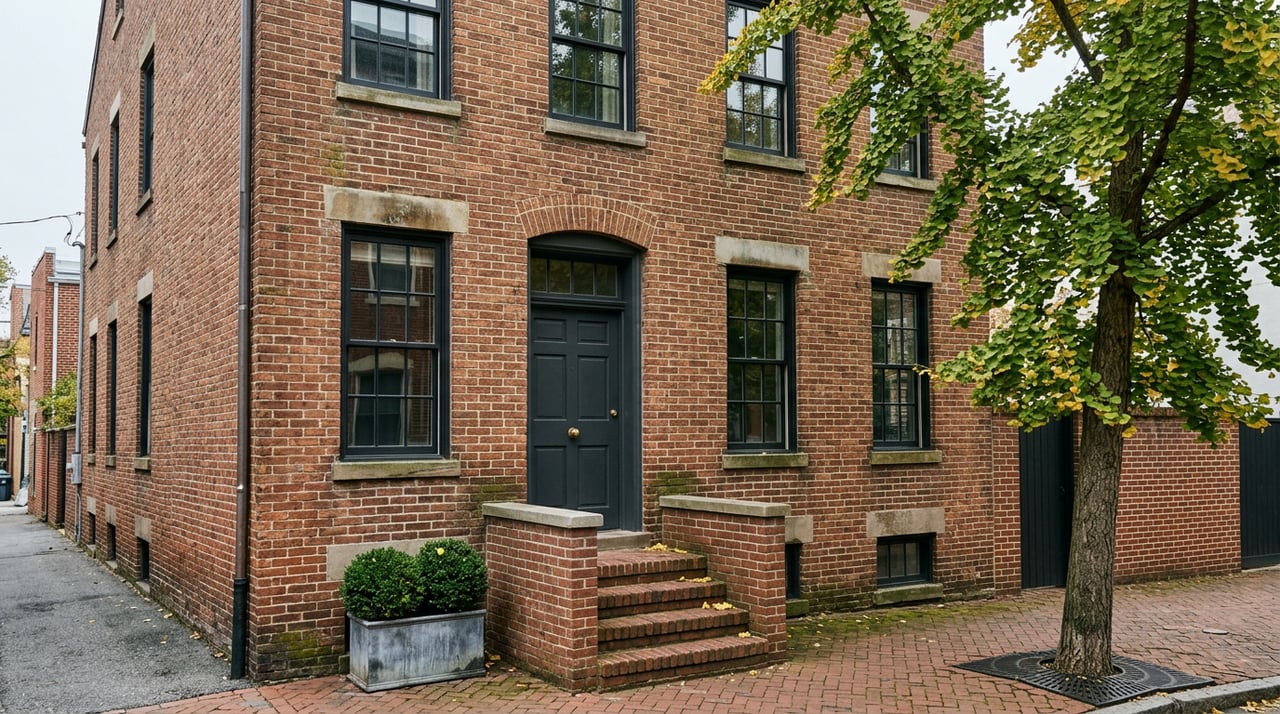
Many condos here are converted rowhouses and boutique buildings with a small number of units, along with early 20th-century mid-rises and some newer luxury buildings. Older systems and small associations can mean higher reserve needs. With fewer owners, one delinquency or a single capital project can impact assessments more.
Historic district considerations
Exterior work often needs historic approvals. Façade, window, and roof projects can take longer and cost more, which raises the stakes for careful reserve planning. If a project is coming up soon, confirm the financing plan.
Parking scarcity and limited common elements
Many buildings lack off-street parking. If a space conveys, confirm whether it is a limited common element assigned to your unit and how guest parking works. Review the declaration and rules for parking use and transfers.
Short-term rentals
D.C. enforces specific rules and registration for short-term rentals. Many condo associations also restrict or prohibit them. Confirm both association rules and city requirements if you plan to host.
Conversions and party walls
Older conversions can raise questions about structural responsibility at lot-line walls, chimneys, or foundations. Read the declaration and minutes for clues about prior issues and who maintains what.
Lender scrutiny
Some buildings in this area have higher investor ratios or leaner reserves. Lenders may review owner-occupancy, reserves, and building envelope condition closely. Share the package early so you can adjust your loan program if needed.
What a strong package looks like
A strong package has current governing documents, a realistic operating budget, and reserves aligned with a recent reserve study. Meeting minutes are calm and informative, with straightforward planning for upcoming projects. Insurance coverage is adequate with reasonable deductibles and protections like D&O and fidelity.
A weaker package shows thin reserves, frequent special assessments, and budgets balanced by transfers from reserves. Minutes hint at disputes, emergency fixes, or delinquency concerns. Insurance coverage may be limited or deductibles very high.
Bottom line for Logan and Dupont buyers
If you love the location and lifestyle, the resale package is how you protect your plans and financing. Focus first on the budget, reserves, litigation, and any assessments. Then confirm rules for pets, rentals, renovations, and parking to ensure a good everyday fit. Bring your lender and a D.C. condo attorney into the process early so you can move with confidence.
If you want expert eyes on a specific building in Logan Circle or Dupont, reach out. Our team reviews condo packages every week and can help you read the fine print, compare options, and negotiate from a position of strength. Connect with Koki Adasi to get started.
FAQs
What is a DC condo resale package and why it matters?
- It is the set of association documents and financials you receive during a sale so you can evaluate rules, reserves, assessments, insurance, litigation, and risks tied to the unit and building.
How fast should I request the resale package after offer acceptance?
- Request it immediately or include a contract clause that requires delivery within your contingency window so you have time to review with your agent, lender, and attorney.
What are the first red flags to check in a Logan or Dupont building?
- Look for thin reserves, pending or frequent special assessments, active litigation, high master policy deductibles, and rules that conflict with your plans to live, rent, or renovate.
How do small boutique condos affect my assessment risk?
- With fewer owners, a single capital project or one delinquent owner can move assessments more. Review reserve studies and meeting minutes closely in small associations.
Will rental caps or investor ratios affect my loan in Logan Circle?
- Yes, some loan programs limit investor concentrations or require certain project standards. Share the package with your lender early to confirm eligibility and program options.
Are short-term rentals allowed in Dupont or Logan condos?
- Many associations restrict or prohibit short-term rentals, and D.C. has its own registration rules. Check both the condo rules and city requirements before making plans.