If you are drawn to neighborhoods with real character, Old Town Alexandria tends to stand out fast. You get historic streets, a working waterfront, and an everyday rhythm that feels both lively and practical. Whether you are considering a move or just trying to picture what daily life looks like, this guide will help you understand how history, walkability, and convenience come together here. Let’s dive in.
Old Town at a glance
Old Town is Alexandria’s historic urban core, generally covering the original city site and the blocks laid out by 1798, according to the City of Alexandria’s preservation materials. It is not just a collection of old buildings. It is a functioning neighborhood where civic spaces, homes, local businesses, and the waterfront all overlap.
That layered identity is a big part of the appeal. Old Town feels established and active at the same time, with public spaces and commercial corridors that still support daily routines.
King Street shapes daily life
King Street is the signature corridor in Old Town, and it plays a major role in how the neighborhood feels day to day. The city describes it as Alexandria’s historical, cultural, and retail focus, with brick sidewalks, street trees, bike racks, and a close relationship between shopping, dining, and nearby homes. In simple terms, it is the kind of main street where errands, dinner plans, and weekend wandering can all happen in the same few blocks.
That layout matters if you value convenience. Instead of separating residential life from commercial activity, Old Town blends them in a way that supports walking and shorter trips.
Market Square remains a focal point
Market Square has anchored Old Town since the area’s early years. The city notes that by the late 18th century, it held shops, taverns, warehouses, and residences, and it still serves as a civic and pedestrian center today through the historic district framework outlined by the City of Alexandria.
For residents, that means this is not history kept behind glass. It is a neighborhood where public life still centers around the same kinds of gathering places that shaped the area generations ago.
Historic character feels lived-in
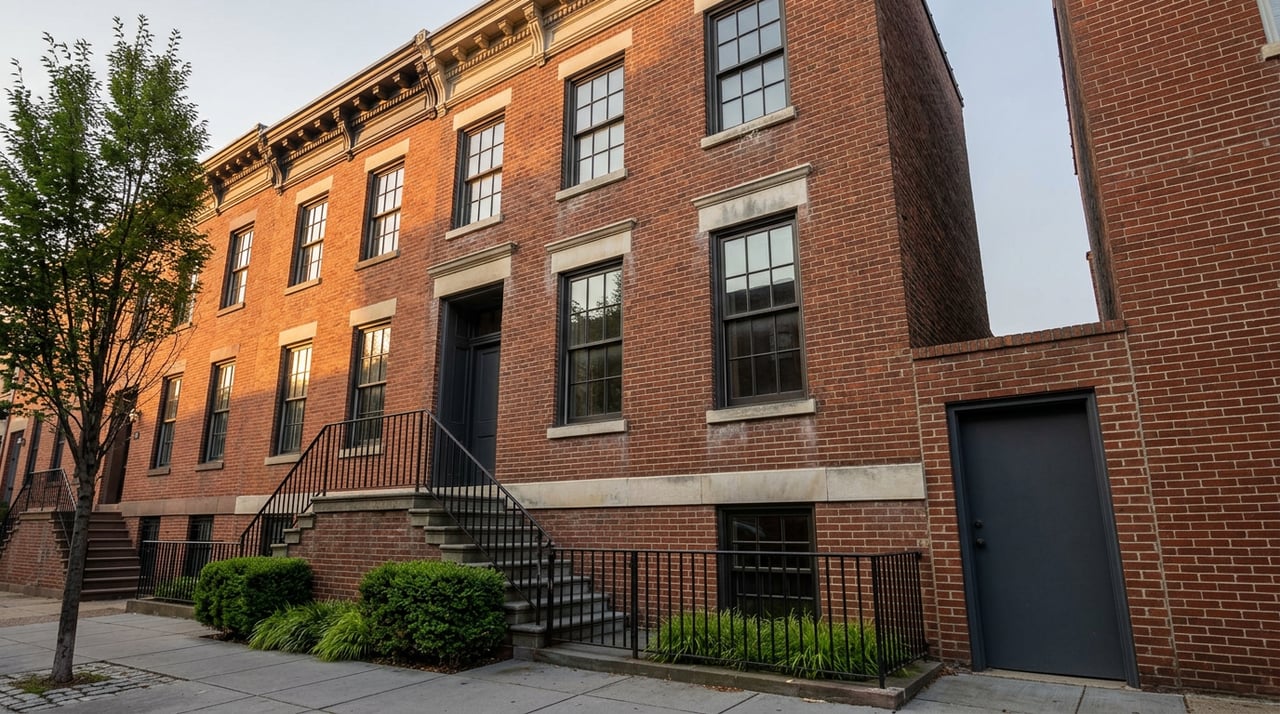
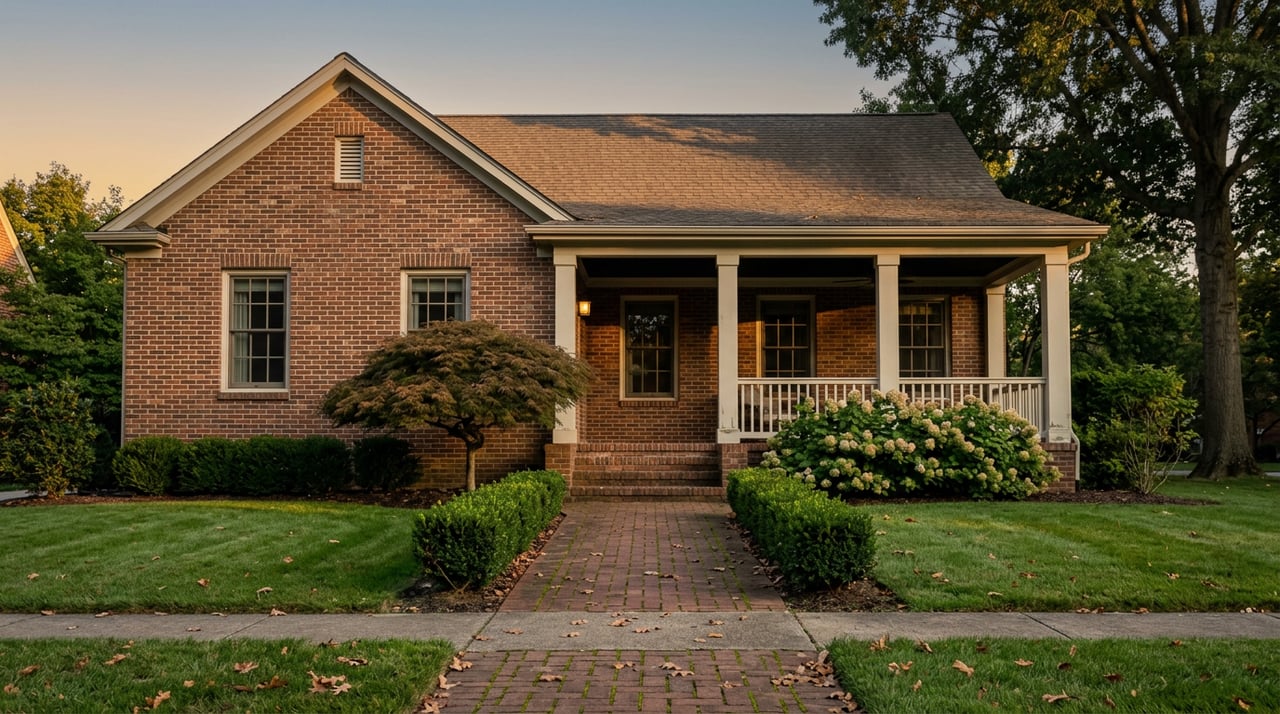
One of the most defining parts of living in Old Town is its physical scale. The neighborhood is known for a high concentration of townhouses and townhouse-like buildings, and parts of the broader historic area include small row houses, frame houses, detached homes, and blocks of brick rowhouses, according to the city’s housing and zoning materials.
That mix gives Old Town a more varied feel than many people expect. Some blocks feel especially formal and uniform, while others shift in size, setbacks, and building style.
Architecture spans several eras
Old Town includes late 19th-century styles such as Italianate and Queen Anne, along with Colonial Revival rowhouses and older Federal-era buildings, based on the city’s historic district information. The result is a low-rise, fine-grained neighborhood that feels historic without being frozen in time.
You notice that in everyday ways. Walking a few blocks can bring changes in façade details, materials, and street rhythm, which keeps the neighborhood visually interesting.
The waterfront is part of real life
In many places, a waterfront is mostly a backdrop. In Old Town, it is part of the neighborhood’s daily routine. Waterfront Park creates a direct transition from the retail core to the river and includes an open plaza and waterfront promenade within a larger linear park system.
That means the river is not tucked away behind private development or hard-to-reach access points. It is woven into how people move through the neighborhood, meet friends, or spend part of a weekend afternoon.
Parks add variety by the river
The public waterfront system includes more than one experience. The city says Windmill Hill Park offers a living shoreline, trail, seating, picnic areas, water access points, and a dog park, while Tide Lock Park preserves canal history as part of the same accessible network, according to the waterfront project page.
This is one reason Old Town appeals to people who want both urban energy and outdoor access. You can stay in the middle of activity or shift toward quieter water views without leaving the neighborhood.
Arts and water connections matter too
The waterfront also supports cultural life and regional connections. The city describes the Torpedo Factory Art Center as the nation’s longest continually operated community of publicly accessible artists’ studios in a converted industrial space. Seasonally, the Potomac Water Taxi connects Old Town with The Wharf, Georgetown, and National Harbor.
Those details add another layer to daily living. Old Town can feel local and neighborhood-focused, but it also stays connected to the wider region in memorable ways.
Getting around is easier than many expect
If you are hoping for a car-light lifestyle, Old Town offers more support for that than many neighborhoods in the DC area. The free King Street Trolley runs every 15 minutes from 11 a.m. to 11 p.m. year-round and links the King Street-Old Town Metro with City Hall and Market Square, stopping every couple of blocks.
That setup can make a real difference in daily life. It helps connect transit, shopping, dining, and the waterfront without requiring you to drive for short trips.
Transit options are layered
The King Street-Old Town area is a major access point. The city’s transit materials note that the station area combines Metro, DASH buses, the trolley, two Capital Bikeshare stations, bike parking, carshare, taxis, private shuttles, and adjacency to VRE and Amtrak, as summarized on the DASH trolley page.
For buyers who commute or travel often, that level of connectivity is worth noting. It gives you multiple ways to move around the neighborhood and beyond it.
Walking is built into the neighborhood
Old Town is also increasingly designed around pedestrians. The city says the 100, Unit, and 200 blocks of King Street, along with Strand Street, are now permanently pedestrianized, with added bike corrals, bicycle parking, and wayfinding kiosks to help walkers navigate the area through the Lower King Street pedestrianization project.
That kind of investment reinforces the neighborhood’s strengths. It makes Old Town feel more comfortable for strolling, meeting up, or making a quick stop on foot.
What a normal Saturday can look like
One of the easiest ways to understand Old Town is to picture a regular weekend. You might grab coffee or lunch on King Street, walk toward Market Square, stop by the Old Town Farmers’ Market, and then head to the waterfront or Torpedo Factory.
As of March 2026, the farmers market is operating at the 100 block of North Royal Street and Tavern Square during City Hall and Market Square renovations. It is open every Saturday from 7 a.m. to noon, includes more than 70 vendors, and is accessible by trolley and DASH.
That routine captures what makes the neighborhood work. Old Town supports everyday habits, not just special occasions.
Old Town is historic, but not static
A common misconception is that historic neighborhoods feel preserved but less practical. Old Town does preserve its built character through the local historic district and review process, but it is also actively maintained and updated. The city notes that the waterfront is in a period of flood-mitigation and park reconstruction work, and some familiar public spaces are temporarily adjusted while projects move forward through the waterfront improvement effort.
That is an important nuance if you are thinking about living here. Old Town is not staged for visitors only. It is a real neighborhood that continues to adapt while holding onto the features people value most.
Who Old Town often fits best
Old Town tends to appeal to buyers who want a neighborhood with strong walkability, local character, and access to both daily conveniences and regional transit. If you enjoy lower-rise streetscapes, historic architecture, and being able to mix errands with recreation, this area checks a lot of boxes.
It can also be a strong fit if you want your lifestyle to include more walking and fewer short car trips. Between King Street, the trolley, the waterfront, and the broader transit network, many routines here can feel simpler and more connected.
Final thoughts on living in Old Town
Old Town Alexandria offers something that is hard to replicate: a neighborhood where history is part of the streetscape, the waterfront is part of daily life, and walkability is more than a selling point. You can feel the age of the place, but you can also feel that it is still working, evolving, and very much lived in.
If you are considering a move in Northern Virginia or weighing how Old Town fits your goals, working with a team that understands neighborhood nuance can make the process much easier. Connect with Koki Adasi to get thoughtful guidance on buying, selling, relocating, or planning your next move in the DC metro area.
FAQs
What is daily life like in Old Town Alexandria?
- Daily life in Old Town Alexandria often centers on walking to shops and restaurants along King Street, spending time near Market Square, visiting the Saturday farmers market, and using the waterfront parks and promenade as part of a regular routine.
Is Old Town Alexandria walkable for everyday errands?
- Yes. Old Town is set up to support walking, with a close mix of homes, retail, dining, public spaces, pedestrianized blocks on lower King Street, and wayfinding designed for people moving through the neighborhood on foot.
How do you get around Old Town Alexandria without a car?
- Old Town offers several car-light options, including the free King Street Trolley, Metro access at King Street-Old Town, DASH buses, Capital Bikeshare, bike parking, and access to VRE and Amtrak near the station area.
What types of homes are common in Old Town Alexandria?
- Old Town is known for townhouses, rowhouses, and other townhouse-like buildings, with a mix of detached and semi-detached homes on some blocks and architecture spanning Federal-era buildings, Colonial Revival rowhouses, and later 19th-century styles.
What makes the Old Town Alexandria waterfront unique?
- The waterfront is integrated into neighborhood life through public spaces like Waterfront Park, Windmill Hill Park, and Tide Lock Park, along with attractions such as the Torpedo Factory Art Center and seasonal Potomac Water Taxi service.