If you price your Arlington home by looking at a big county number or a neighbor’s asking price, you could miss the market by a wide margin. That is especially true in a neighborhood where home types, condition, and sale quality can vary a lot from one block to the next. If you want to sell with confidence, you need a pricing strategy built on the right local data, not broad averages. Let’s dive in.
Why Arlington pricing needs a local lens
Arlington is a neighborhood in Northwest Baltimore City, not a Baltimore County municipality. That matters because Baltimore City and Baltimore County are performing very differently in the current market.
In March 2026, Maryland Realtors reported a median sold price of $250,000 in Baltimore City, compared with $370,925 in Baltimore County. Inventory and pace were different too, with 3.7 months of inventory and 27 median days on market in the city versus 1.5 months and 13 days in the county. If you use county-wide numbers to price an Arlington listing, you risk setting expectations too high on both value and speed.
Why broad neighborhood numbers can mislead
Arlington’s own annual sales data show just how careful you need to be. In 2025, the neighborhood had an average sale price of $138,507 and a median of $97,000 across 30 sales. In 2024, the median was $140,050 across 32 sales.
That kind of swing does not automatically mean home values moved in a straight line down. It can also reflect a small sales pool, distressed transactions, and unusual low-dollar sales pulling the numbers around. In a neighborhood like Arlington, one summary number rarely tells the full story.
Use the right comps first
The strongest pricing strategy starts with recent closed sales of homes that truly match yours. That means same property type, similar size, similar finish level, and ideally a very nearby block or the same side of a major corridor.
Arlington has a mix of rowhomes, detached homes, and duplexes. Because of that, you should not lump everything together and take a simple average. A rowhome should be compared against similar rowhomes, while a detached home should be measured against other detached homes with similar condition and layout.
Separate property types before pricing
If you are pricing your home, start by sorting the market into categories such as:
- Rowhomes
- Detached homes
- Duplexes
- Condo or co-op properties, if relevant
This simple step helps you avoid one of the most common seller mistakes, which is comparing unlike properties and calling them comps.
Distressed sales do not define renovated homes
Recent Arlington sales show why filtering matters. Publicly visible sales include a lot sold for $27,000, low-end or as-is sales around $63,000 to $77,500, and a renovated 4-bedroom, 2-bath home that sold for $245,000.
Those are not interchangeable data points. If your home is renovated and move-in ready, pricing it against a land sale, auction-style sale, or distressed property can undercut your value. On the other hand, if your home needs major work, using only polished renovated sales can lead to overpricing.
Condition drives pricing in Arlington
In Arlington, buyers are not just comparing square footage. They are also comparing how much work the home needs, how it shows, and whether it feels ready to live in from day one.
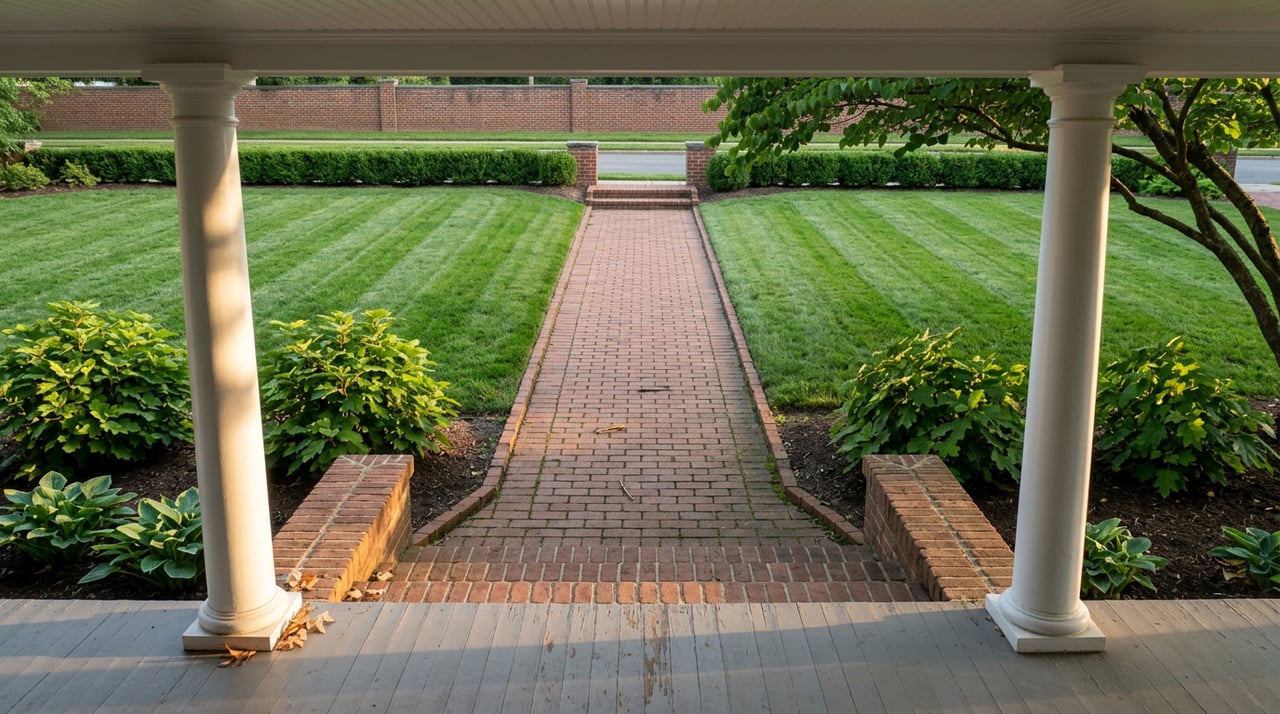
For rowhomes and detached homes, buyers tend to notice renovation quality, updated kitchens and baths, parking, outdoor space, and overall presentation very quickly. Homes that appear move-in ready often compete in a different lane than homes that need cosmetic work or are being sold as-is.
What buyers are likely to notice fast
Features that can support stronger pricing include:
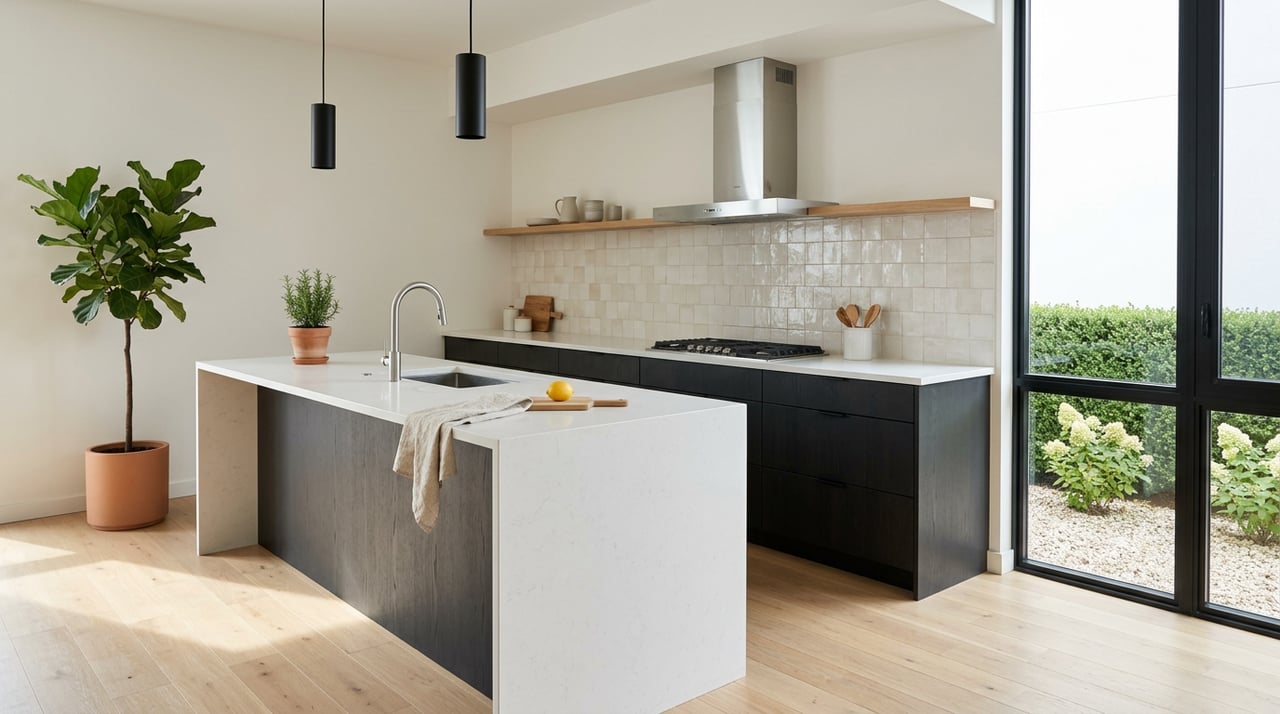
- Updated kitchens and bathrooms
- Clean, low-maintenance finishes
- Off-street parking
- Usable outdoor space
- A move-in-ready appearance
Arlington’s neighborhood profile helps explain why these details matter. Live Baltimore notes strong walkability and transit access, with an 82 Walk Score and a 73 Transit Score, plus access to downtown destinations like Penn Station and Charles Center. For many buyers, that makes convenience part of the value equation, and it can raise the importance of practical features that support daily life.
Presentation can help support your asking price
Pricing and presentation work together. Even in a changing market, buyers respond to homes that look cared for, easy to understand, and ready to enjoy.
The National Association of Realtors reported in its 2025 staging profile that 83% of buyers’ agents said staging makes it easier for buyers to visualize a property as their future home. The same report found that some agents saw value increases of 1% to 5% from staging, and 30% of sellers’ agents reported slight decreases in days on market.
That does not mean every seller needs a full overhaul. It does mean thoughtful prep, clean presentation, and strong marketing can help defend your price when buyers are comparing options carefully.
Focus on improvements buyers can feel
Before listing, it often makes sense to prioritize updates that improve first impressions and reduce buyer objections, such as:
- Paint and touch-ups
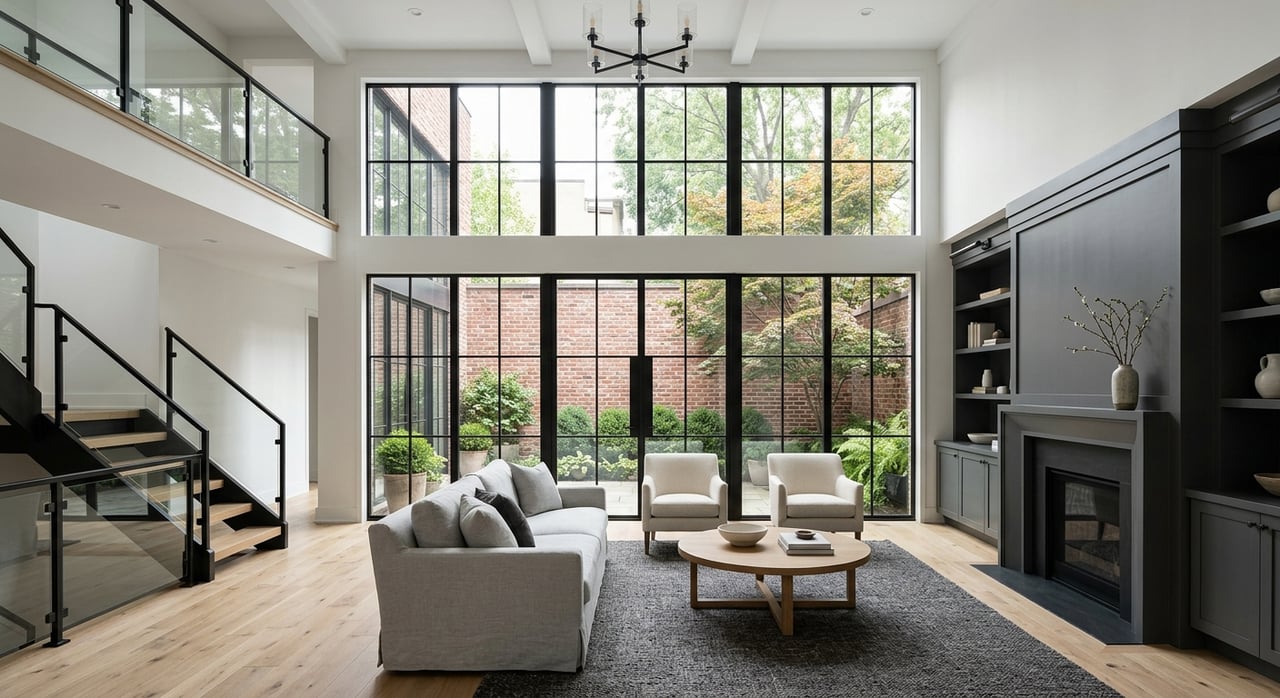
- Decluttering and light staging
- Minor repairs
- Better lighting
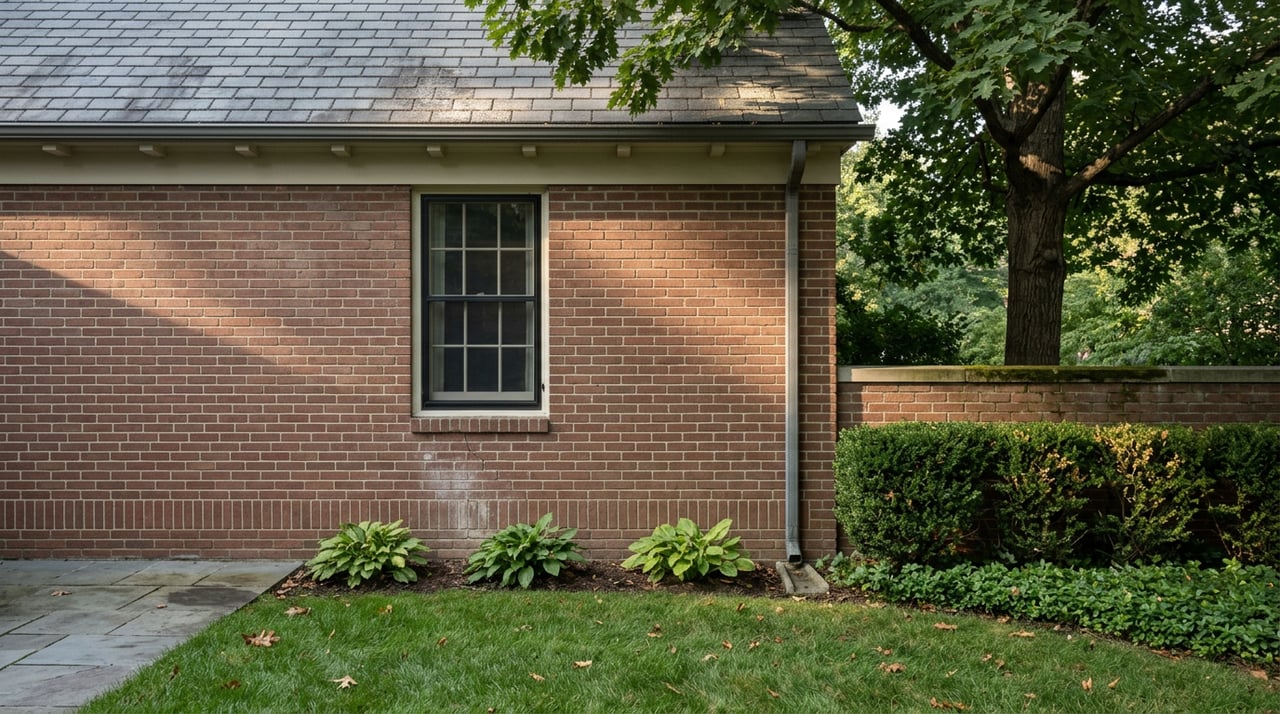
- Simple exterior cleanup
For sellers who want to do more, a pre-sale improvement plan can help align the home’s presentation with the price you want the market to support.
Nearby neighborhoods are only a reality check
It can be helpful to look at nearby neighborhoods, but only as a sanity check. In 2025, Live Baltimore reported median sale prices of $152,000 in Woodmere, $200,000 in Pimlico Good Neighbors, and $247,500 in Glen.
Those figures are all above Arlington’s 2025 median. That does not mean your Arlington home should be priced to match them. It means nearby neighborhood numbers can provide context, but block, housing style, and condition usually matter more than a broad neighborhood label.
Timing helps, but it cannot fix bad pricing
Many sellers hope timing alone will do the heavy lifting. In reality, timing works best as a multiplier, not a rescue plan.
Realtor.com identified the week of April 12 through 18 as the strongest national window to list in 2026, based on patterns like higher views and faster sales. That is useful context, but spring momentum helps most when your home is photo-ready and priced in line with current comps.
Baltimore was also described as a balanced market in March 2026, with homes selling for about asking on average. That is an important signal for sellers. In a balanced market, there is often less room for an inflated list price to be saved by intense bidding.
Special pricing rules for condos and HOA homes
If you are selling a condo or another property with HOA dues, your pricing strategy should be different from a rowhome or detached house. Buyers look at the full monthly cost, not just the purchase price.
That means monthly dues, building condition, reserve health, and the possibility of special assessments can affect affordability and buyer demand. A condo with higher carrying costs may need a different pricing approach than a similar-sized home without those costs.
A smart Arlington pricing strategy
If you want the clearest path to a strong sale, keep your pricing process simple and disciplined. Start with recent same-type sold comps, adjust for condition and presentation, and then use nearby neighborhood ranges only as a secondary check.
That approach is especially important in Arlington because the sales pool is small and mixed. One distressed sale or one standout renovation can skew the numbers quickly, so your strategy has to go deeper than a headline median.
A practical pricing plan should include:
- Recent closed sales, not just active listings
- Similar property type and size
- Honest condition adjustments
- Awareness of distressed and unusual sales
- A presentation plan that supports the asking price
- Timing that works with, not against, the pricing strategy
Arlington also has encouraging neighborhood context, including adopted planning activity around Arlington Elementary and a grant agreement for the community garden project. Those signals can support the neighborhood story, but they should complement your pricing strategy, not replace the hard work of comp selection.
When you combine neighborhood nuance, strong preparation, and realistic pricing, you give your home the best chance to attract serious buyers and sell on solid terms. If you want expert guidance on how to position your home in a changing market, connect with Koki Adasi for a thoughtful, data-driven strategy.
FAQs
Why should an Arlington seller use Baltimore City comps instead of Baltimore County data?
- Arlington is in Baltimore City, and current city pricing, inventory, and market pace are materially different from Baltimore County, so county data can overstate likely value and speed.
How do distressed sales affect Arlington home pricing?
- Distressed, as-is, auction-style, and land sales can pull neighborhood numbers down, so they should not be treated as direct comps for renovated or move-in-ready homes.
What improvements matter most before listing an Arlington home?
- Presentation-focused updates like paint, decluttering, light staging, minor repairs, and clean finishes can help buyers better understand the home and support a stronger asking price.
Why should Arlington condos be priced differently from rowhomes?
- Condo buyers often factor in monthly dues, building condition, reserves, and assessment risk, so affordability and demand can differ from a rowhome or detached home at a similar price.
Does spring timing matter if my Arlington home is overpriced?
- Spring can help boost exposure, but in a balanced market, pricing still needs to align with current comps because timing alone usually will not overcome an inflated asking price.