What if your morning coffee, favorite dinner spot, and Metro stop were all within a 10-minute walk? If you are weighing whether the space between Dupont Circle and Logan Circle fits your lifestyle, you are likely balancing energy and convenience with space and quiet. In this guide, you will get a clear feel for daily life here, from walkability and transit to housing options and trade-offs. Let’s dive in.
Location and vibe
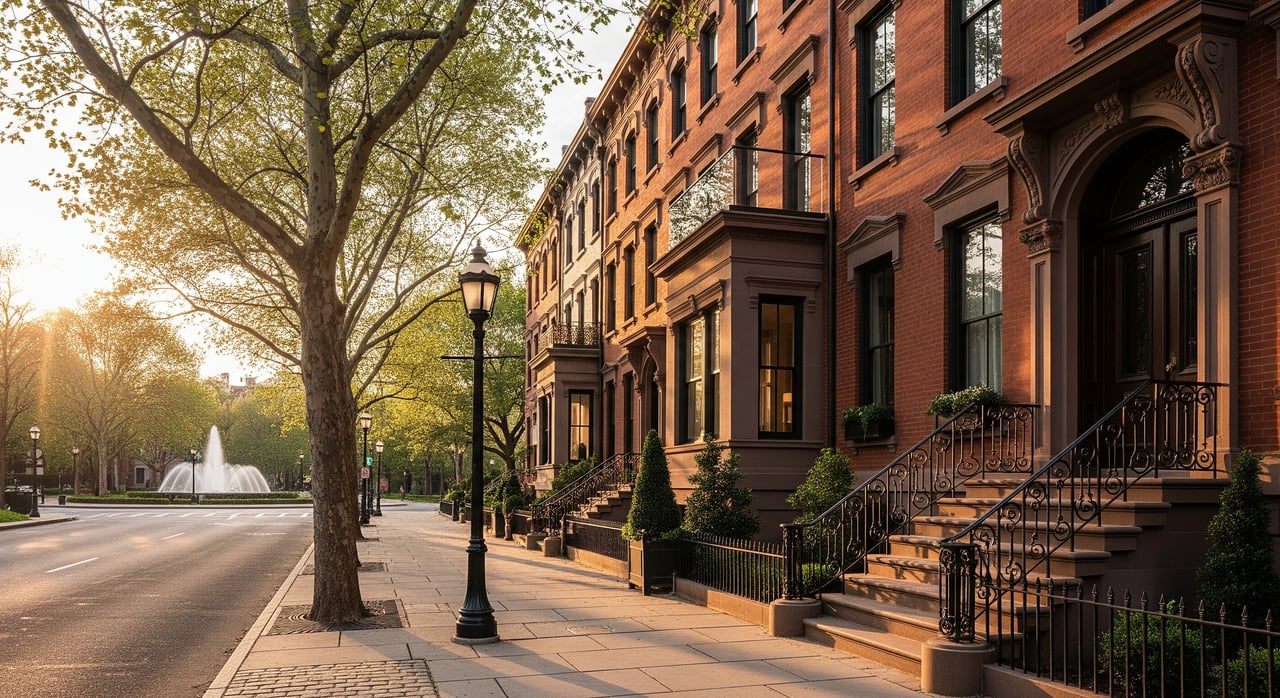
You sit in the heart of Northwest DC, flanked by two historic circles that each set a distinct tone. Dupont centers on a classic traffic circle and park along Massachusetts Avenue, while Logan revolves around its landscaped oval near 14th Street and P Street. The blocks between the two are dense, lively, and mixed-use, with historic rowhouses beside newer condo buildings and ground-floor retail.
The feel is cosmopolitan and comfortable. You can stroll to cafes, boutiques, and small parks in minutes, then be downtown shortly after. Weeknights tend to be social, and weekends run on brunch, markets, and quick cultural outings.
Walkability and errands
If you value short, car-free errands, this area delivers. Both circles and the blocks between them are highly walkable, with frequent coffee shops, bakeries, and quick lunch options along 14th Street, Connecticut Avenue, and Massachusetts Avenue. You will also find small groceries, specialty food shops, and pharmacies scattered across a compact footprint.
Walkability tools often place Dupont and Logan in the Walker’s Paradise range, which matches what you feel on the street. You can explore general walkability insights on Walk Score. Weekend rhythms often include a farmers market run, a long brunch, and boutique browsing on 14th Street.
Transit and commute
Your closest Metrorail access is typically the Red Line at Dupont Circle Station, with a direct link to downtown and Metro Center. Depending on your block, you may also walk to U Street/Cardozo or Shaw-Howard U on the Green and Yellow lines. Expect a 10 to 20 minute walk to a station from many addresses between the circles.
Bus service fills the gaps for quick crosstown trips. Multiple Metrobus routes run along 14th Street, Connecticut Avenue, and Massachusetts Avenue, and the DC Circulator provides useful short hops. To plan trips and see route maps, check the WMATA Metrorail and Metrobus maps.
Bikes and parking
Biking makes sense for commuting and errands here. You will see painted bike lanes on 14th Street and nearby streets, plus many Capital Bikeshare stations at or near both circles. For docks and availability, use the Capital Bikeshare system map. For bike lane information and updates, review DDOT’s bike resources.
Owning a car is possible, but parking is the pinch point. Street parking is regulated by DC Residential Permit Parking and time limits, and many residents choose paid garages for predictable storage. Before you commit, read up on DDOT’s Residential Permit Parking program and consider whether you will use a car daily.
Parks and public space
Dupont Circle Park and Logan Circle Park act as neighborhood living rooms. You will find people reading, picnicking, and catching up on benches and grass. Sidewalk seating is common, and many outdoor patios are dog friendly.
Smaller green pockets dot the side streets, which adds a bit of breathing room in a dense environment. On sunny days, you will notice a steady flow of locals walking dogs or meeting friends around the circles.
Dining and nightlife
The 14th Street corridor is a regional draw for dining and nightlife. You can choose among casual bistros, chef-driven spots, tapas, cocktail bars, patios, and late-night venues in a compact stretch. Dupont offers long-standing restaurants, global cuisines influenced by embassy proximity, and cafe culture.
Expect after-work happy hours during the week and brunch lines on weekends. The area regularly attracts regional food coverage and recognition in the Michelin Guide’s Washington, DC listings. If dining variety and spontaneous nights out are high on your list, this location makes it easy.
Housing options
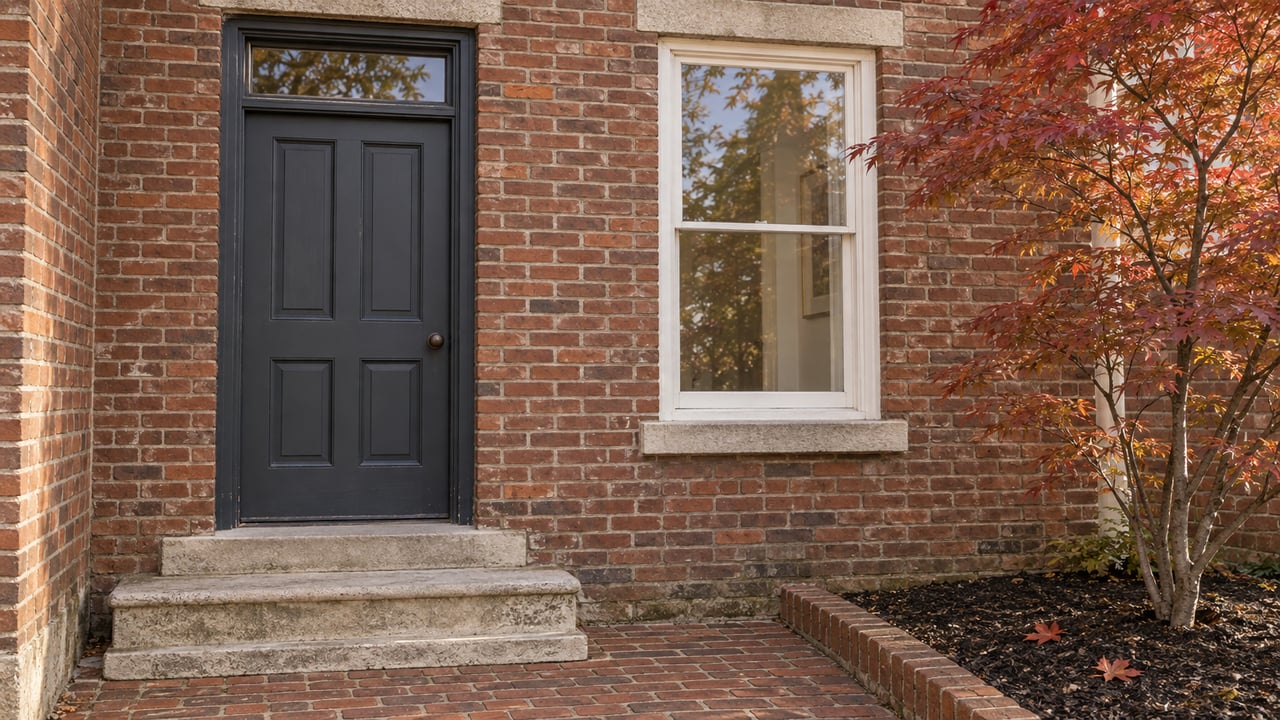
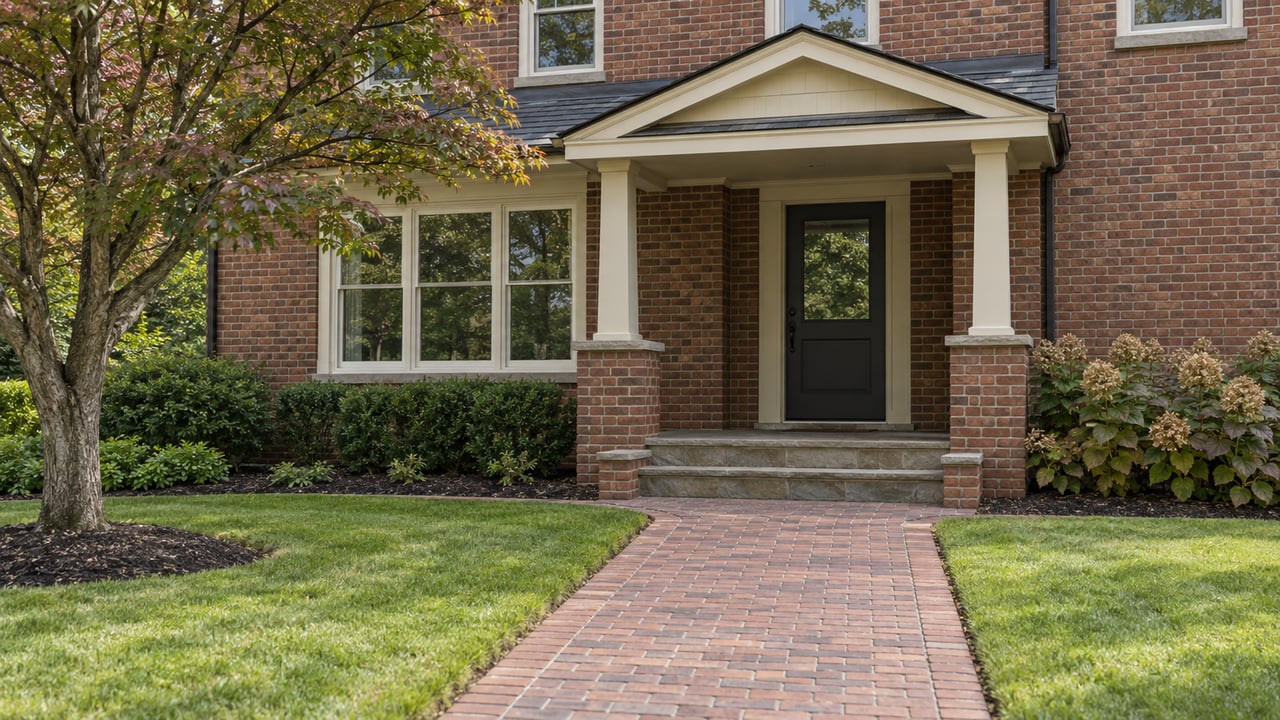
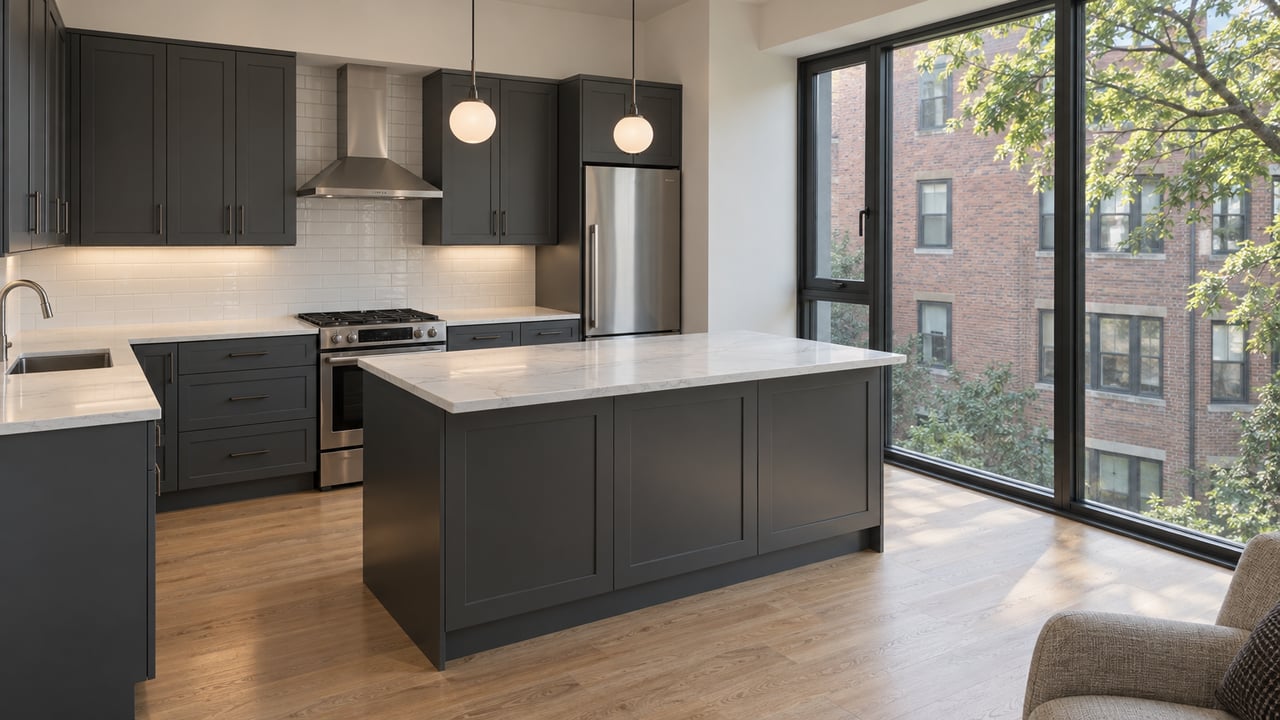
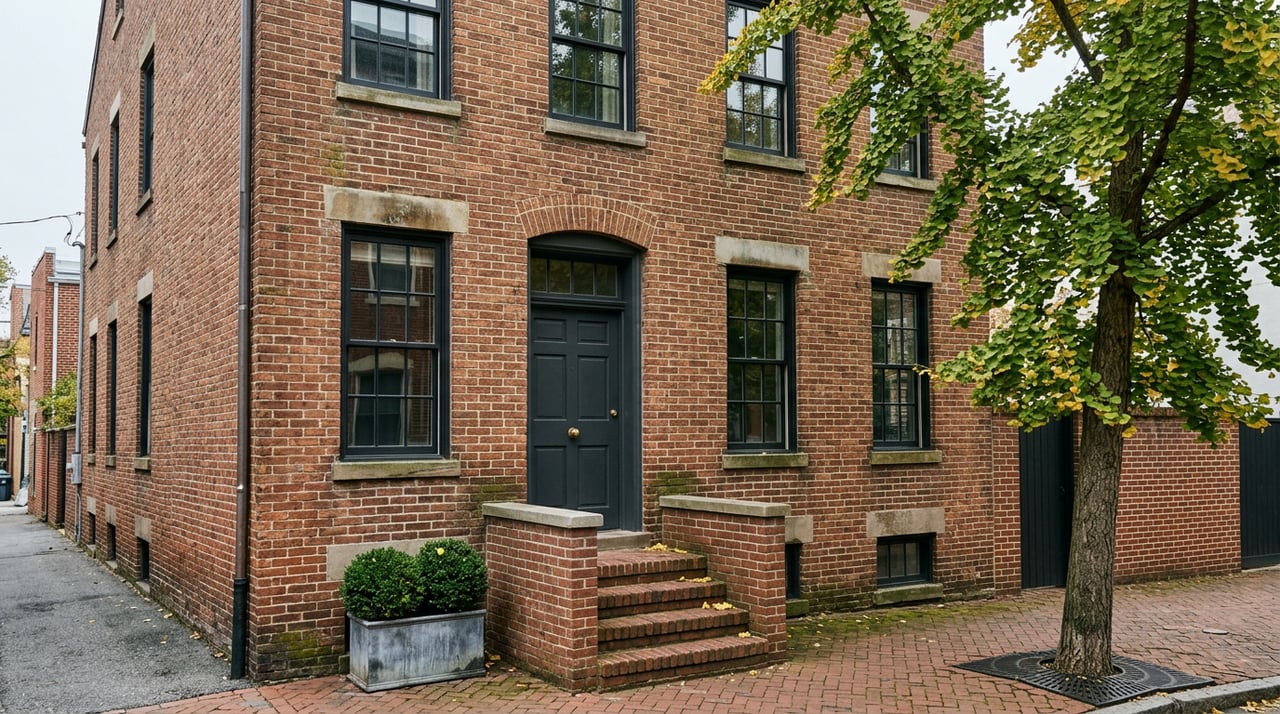
You will see an architectural mix. Historic Federal, Victorian, and Italianate rowhouses line many side streets, some as single-family residences and others converted into multi-unit buildings. Along main corridors like 14th Street and P Street, boutique condos and mixed-use developments add modern amenities and elevators.
Apartments range from small walk-ups to larger buildings. Many urban professionals prioritize one- and two-bedroom condos or apartments for simplicity and location. If you want more space, a rowhouse provides room to grow, but you take on more upkeep.
Condo and HOA fees can be meaningful, especially in buildings with amenities. Older conversions may have lower monthly fees but fewer shared services. If you plan to renovate, note that many blocks sit within historic districts, and exterior changes may require approvals through the city’s Historic Preservation Office.
Market feel and trade-offs
Demand stays strong because of the central location, dining scene, and access to jobs. You often trade interior square footage and private outdoor space for proximity and character. Inventory and pricing can shift by property type, with condos and rowhouses behaving differently through market cycles.
Expect premium prices relative to more suburban areas. If you are in the early research phase, review neighborhood context with the DC Office of Planning and track active listings to gauge options within your budget. A local advisor can help you time the market and identify buildings or blocks that fit your goals.
Who thrives here
You will do well here if you value a social, walkable lifestyle and a short commute. Many residents work in federal, consulting, or nonprofit roles and appreciate quick links to the Red, Green, and Yellow lines. The area’s inclusive, community-minded reputation is long-standing.
If you want a large yard, guaranteed on-street parking, or very quiet nights, you may consider nearby neighborhoods that offer more space. For many people, the trade is worth it. The payoff is flexibility and the ability to step into a vibrant city life on demand.
Noise and safety
Street activity is part of the package. The circles and 14th Street can be lively, especially on weekend evenings. If you prefer quieter nights, look for homes a few streets off main corridors or units facing interior courtyards.
As in many central urban areas, property crime such as package theft or car break-ins can occur. Safety perceptions vary by block and time of day. For current data and patterns, review the city’s MPD CompStat reports and maps and use common-sense precautions.
A day in the life
Morning often starts with a short walk to an independent cafe, then a quick commute by foot, bike, or Metro. If you work downtown, the Red Line from Dupont or a short bus ride gets you there with few transfers. Lunch might be a patio table on 14th Street or a quick bite from a neighborhood spot.
After work, you have options. Meet friends for happy hour, catch a gallery show or reading, or grab a reservation for date night. On weekends, you might hit the farmers market, shop for home essentials, and take a slow lap around the circles with coffee in hand.
Buying or renting smart
Before you pick a building or block, get clear on your non-negotiables. Decide how much nightlife noise you can tolerate, whether you need a dedicated parking space, and how far you are comfortable walking to the Metro. If you are considering a renovation or exterior updates, check the Historic Preservation Office guidance early.
If you plan to live car-light, set up your transit toolkit first. Bookmark the WMATA rail and bus maps, explore DDOT’s bike resources, and save the Capital Bikeshare system map. These tools make day-to-day movement smooth.
If you plan to keep a car, study the rules and think about garage options. Review Residential Permit Parking details, and ask about building or nearby garage leases. A little planning avoids headaches at move-in.
Ready to make a move
If this slice of DC sounds like your speed, you are not alone. With historic charm, major dining corridors, and easy access to the city’s core, the space between Dupont and Logan Circles offers a distinct urban lifestyle. The right guidance helps you find the building or block that matches your routine and future plans.
When you are ready, connect with a local team that knows these streets well. Whether you are buying, selling, relocating, or exploring value-add improvements through Compass Concierge and expert staging, reach out to Koki Adasi for advice tailored to your goals.
FAQs
Is living between the circles good for commuting?
- Yes. You can walk to Dupont Circle Station on the Red Line, or to Green/Yellow Line stations depending on your block. Buses and the DC Circulator add flexible crosstown options.
How walkable is this area for daily errands?
- Very. You can reach cafes, groceries, pharmacies, and restaurants within a few blocks. Many residents complete daily tasks on foot without a car.
Is parking realistic if I own a car?
- It is possible, but plan ahead. Street parking is regulated, and many residents lease garage spaces. Decide if you will drive daily before choosing a building.
What housing types are most common here?
- You will see historic rowhouses, condo conversions, boutique condos, and some larger apartment buildings. Many urban professionals choose one- or two-bedroom units for simplicity.
What should I know about condos and fees?
- Condo and HOA fees vary. Newer buildings with amenities often have higher monthly costs, while older conversions may be lower with fewer services. Review budgets, reserves, and rules before you buy.
How noisy does it get near 14th Street?
- Expect lively evenings, especially on weekends. If you want quieter nights, focus on side streets or units facing courtyards or alleys.
How safe is it around Dupont and Logan Circles?
- As in many central city areas, property crime can occur. Safety perceptions vary by block and time of day. Review current police data and use common-sense precautions.