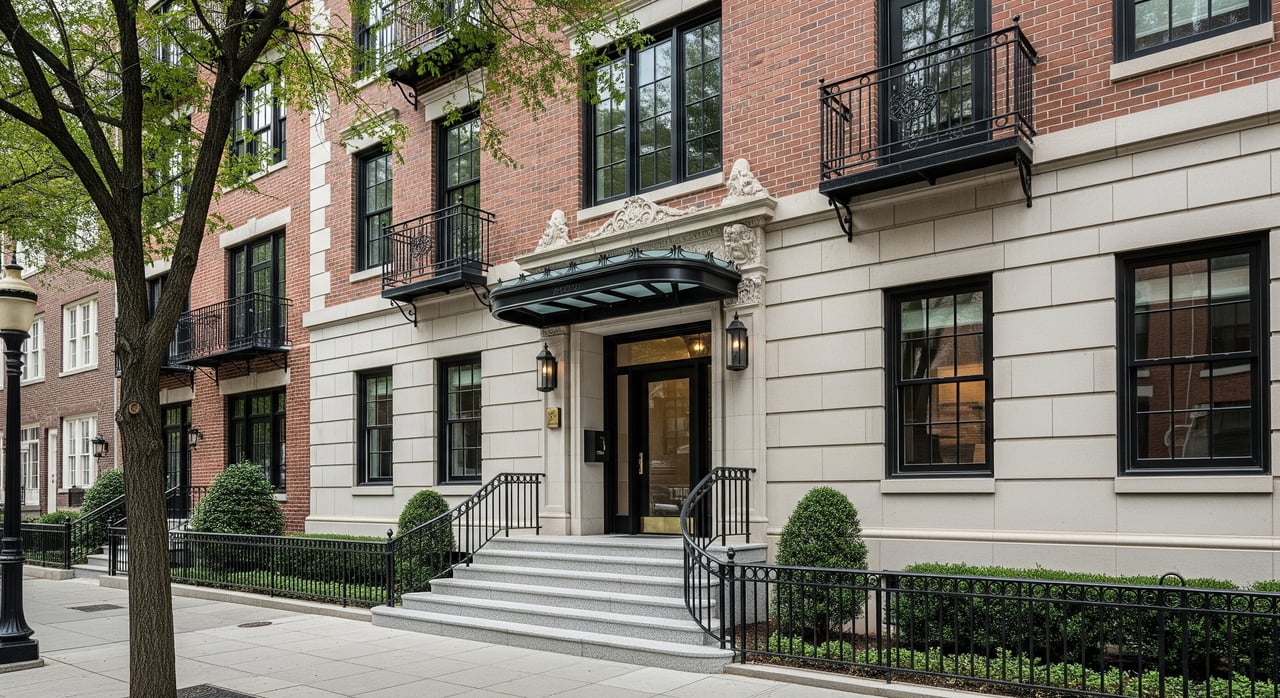
Trying to decide between a condo and a co-op in Dupont Circle or Logan Circle? You are not alone. Both options can work well in these walkable, high-demand DC neighborhoods, but the details around ownership, monthly costs, financing, approvals, and resale are different. In this guide, you will learn exactly how each option works in DC and how to compare them side by side so you can buy with confidence. Let’s dive in.
Ownership: what you actually buy
Condo ownership in DC
When you buy a condo, you own your individual unit and an undivided interest in the building’s common elements. Your name appears on a deed, and you receive your own property tax bill. A homeowners association manages common areas under recorded rules and bylaws.
For insurance, the condo association typically covers the building structure and shared areas. You usually carry an HO-6 policy for your interior finishes and personal property.
Co-op ownership in DC
When you buy a co-op, you purchase shares in a corporation that owns the entire building. Your shares give you a proprietary lease to live in a specific unit. The co-op board governs building operations and admissions.
Co-op property taxes are usually billed to the building, then passed to owners through monthly maintenance. The corporation insures the building. Your required insurance depends on the proprietary lease, often similar to an HO-6 plus personal liability.
Monthly fees and budgeting
What condo fees cover
Condo common charges usually pay for building maintenance, common-area utilities, management, insurance for common elements, contributions to reserves, and any amenities. Your property taxes are separate and paid by you.
What co-op maintenance covers
Co-op maintenance often bundles more line items. It typically includes building insurance, your share of property taxes, management, reserves, and sometimes utilities. If the co-op has an underlying mortgage, the monthly payment for that debt is also included. Because of these bundled costs, co-op maintenance is often higher than a condo fee for a similar unit.
Compare total monthly cost
Do an apples-to-apples comparison. Add everything you will pay each month.
- For condos: mortgage payment plus property taxes plus HOA fee.
- For co-ops: share loan payment plus co-op maintenance.
Review the building’s reserves and recent meeting minutes for both types. In older, boutique buildings that are common in Dupont and Logan, deferred maintenance can lead to special assessments. Small associations can feel those costs more, so ask for the reserve study and assessment history.
Financing in Dupont and Logan
Condos: common loan paths
Most lenders are comfortable with DC condos, especially in larger, warrantable projects. Conventional loans can allow low down payments when you qualify. FHA and VA loans are also options, but the condo project usually needs approval or must meet single-unit approval requirements. In practice, many buyers put 10 to 20 percent down to strengthen their offer in competitive DC markets.
Co-ops: share loans and down payments
Fewer lenders offer co-op share loans than condo mortgages. Many buyers work with local or specialized lenders that understand co-op underwriting. Down payment expectations are often higher, commonly 15 to 25 percent or more. Some co-ops have board policies that require minimum liquidity and post-closing reserves, and boards may look closely at debt-to-income ratios.
Warrantability and building type
Condo financing can depend on whether a project is warrantable. Lenders and investors look at owner-occupancy ratios, investor concentration, reserve strength, and litigation. Non-warrantable condos can still be financed, but loan choices may be limited.
Co-op underwriting focuses on the building’s financial statements, rules, and whether the co-op allows share loans. Some co-ops restrict financing or require cash purchases. Older, smaller co-ops found around Dupont and Logan may be less familiar to national lenders, so plan ahead on lender selection.
Approval timelines and what to expect
Condo process at a glance
A typical condo timeline includes contract, condo document review, lender project eligibility checks, financing contingencies, and closing. Condo boards usually do not have broad power to deny a qualified buyer who meets the rules and contract terms. Your lender will review the association’s budget, insurance certificates, and key documents.
Co-op process and board package
A co-op purchase adds a board package and often an interview. You will submit detailed financial documents, employment verification, reference letters, and a personal statement. The board votes on your application. Boards can reject buyers even when financing is in place, and scheduling reviews can extend timelines by 2 to 6 weeks or more.
Some co-ops require extra deposits or escrowed funds to ensure maintenance is paid. Ask about these policies early so you can plan your cash flow.
Steps to streamline your purchase
- Confirm key building policies before you write an offer, including subletting, pet rules, and renovation standards.
- Ask your lender early about condo warrantability or co-op share loans.
- Request the full resale package for condos or the sample board package and building financials for co-ops.
- Set expectations on timing. Co-op board reviews often add several weeks to closing compared with condos.
Resale, renting, and long-term value
Buyer pool and liquidity
Condos typically have a larger buyer pool because more lenders finance them and investor ownership is allowed under many association rules. That wider demand can support quicker resales in high-demand areas like Dupont and Logan.
Co-ops often attract buyers seeking a more resident-focused building culture and longer-term stability. The trade-off is a smaller buyer pool due to stricter board approvals and fewer lender options, which can lengthen time on market.
Rental policies to know
Condos often allow rentals, but many associations cap investor units or set minimum lease terms. Co-ops commonly restrict subletting, require board permission, or limit how often and how long you can rent. If rental flexibility matters to you, confirm the rules before you write an offer.
Boutique buildings in Dupont and Logan
These neighborhoods feature many small, historic, and architecturally distinct buildings. Some boutique condos may be non-warrantable, and most co-ops are older and smaller. Location and character can command a premium, but financing and board rules can narrow your options. Plan your lender strategy early and review building documents in detail.
Due diligence checklist
For condos
- Declaration, bylaws, and rules
- Budget, audited financials, and reserve study
- Insurance certificate for the association policy
- Recent meeting minutes for 6 to 12 months
- Resale disclosure package and any pending litigation
- Assessment history and planned capital projects
For co-ops
- Articles of incorporation, bylaws, proprietary lease, and house rules
- Building financials, reserves, and recent minutes
- Underlying mortgage terms, if any
- Share ledger and ownership concentration
- Sublet policy and any flip tax policy
- Sample board package and interview process
Financing and logistics
- Ask your lender if the condo is eligible for your loan type or if single-unit FHA approval is realistic.
- Confirm if the co-op allows financing and what down payment and reserves are required.
- Verify document turnaround times and board review schedules so you can align your closing timeline.
Which option fits your goals
Choose based on how you plan to live, finance, and hold the property.
- Pick a condo if you want more lender options, potential FHA or VA pathways, and greater flexibility to rent under association rules.
- Pick a co-op if you value a more controlled building environment, longer-term resident focus, and you are comfortable with higher down payment expectations and board approvals.
- In both cases, focus on total monthly cost, project finances, reserves, and upcoming capital work. Strong building governance and healthy reserves protect your investment over time.
Buying in Dupont Circle or Logan Circle rewards you with vibrant streets, transit access, and classic DC charm. With the right prep, either a condo or a co-op can be a smart move in these neighborhoods. If you want a clear plan from first tour to closing, our team is ready to guide you every step of the way.
Ready to compare specific buildings and craft a financing and offer strategy that fits your goals? Connect with Koki Adasi for local guidance tailored to Dupont and Logan.
FAQs
What is the key difference between condo and co-op ownership in DC?
- Condos give you a deed to your unit and separate tax billing, while co-ops give you shares in a corporation and a proprietary lease, with taxes usually included in monthly maintenance.
How do monthly fees differ for condos and co-ops in Dupont and Logan?
- Condo fees cover building operations but not your property taxes, while co-op maintenance usually includes taxes, insurance, and sometimes utilities and building debt service.
What should first-time buyers know about financing a co-op in Washington, DC?
- Fewer lenders offer co-op share loans, down payments are often 15 to 25 percent or more, and co-op boards may require strong liquidity and post-closing reserves.
How long does co-op board approval take in Dupont or Logan?
- Plan for an extra 2 to 6 weeks or more due to board package preparation, interview scheduling, and board review timelines.
Which is easier to resell in Logan Circle and Dupont Circle?
- Condos often resell faster due to a larger buyer pool and more financing options, while co-ops can take longer because of board approval and financing limits.