
Most sellers in Old Town start with a renovation list. New windows on the front elevation, a repainted door, maybe some tidy-up work on the rear addition an earlier owner tacked on in the nineties. The plan sounds like a six-week project and a spring listing.
The plan is usually wrong by two months. In the Old and Historic Alexandria District and the Parker-Gray Historic District, the Board of Architectural Review sets the pace, not the contractor. Sellers who understand this early list with clean approvals in hand. Sellers who don't tend to discover the problem after an inspection report lands on the buyer's side of the table.
The friction most Old Town sellers discover too late
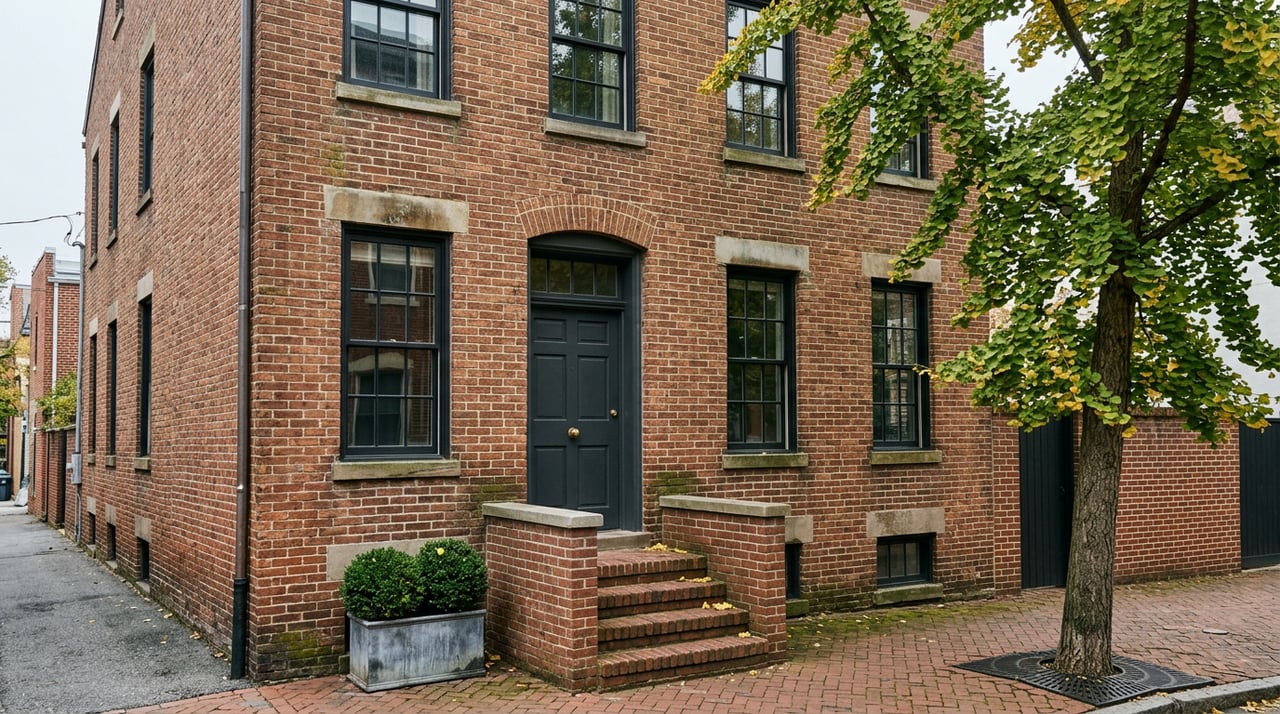
The BAR is a seven-member board appointed by City Council, and it has binding authority over exterior changes visible from a public way in both local historic districts, plus buildings on the city's One Hundred-Year-Old Buildings list. The Board is charged with approving a Certificate of Appropriateness for all new construction and exterior alterations for structures designated as visible from a public way, and it must approve a Permit to Demolish for any proposed demolition of more than 25 square feet of material on a structure, regardless of the visibility from a public way.
That last clause matters. A rear-yard shed removal, an interior wall coming out that touches a masonry chimney, a partial roof tear-off. None of these are visible from King Street, and all of them can still require Board sign-off before a building permit is issued. The city will not review a permit application for a project until the BAR has signed off on the project first.
What actually needs review before you list
The categories that trip up sellers are almost always the ones marketed as easy wins by general contractors from outside the district.
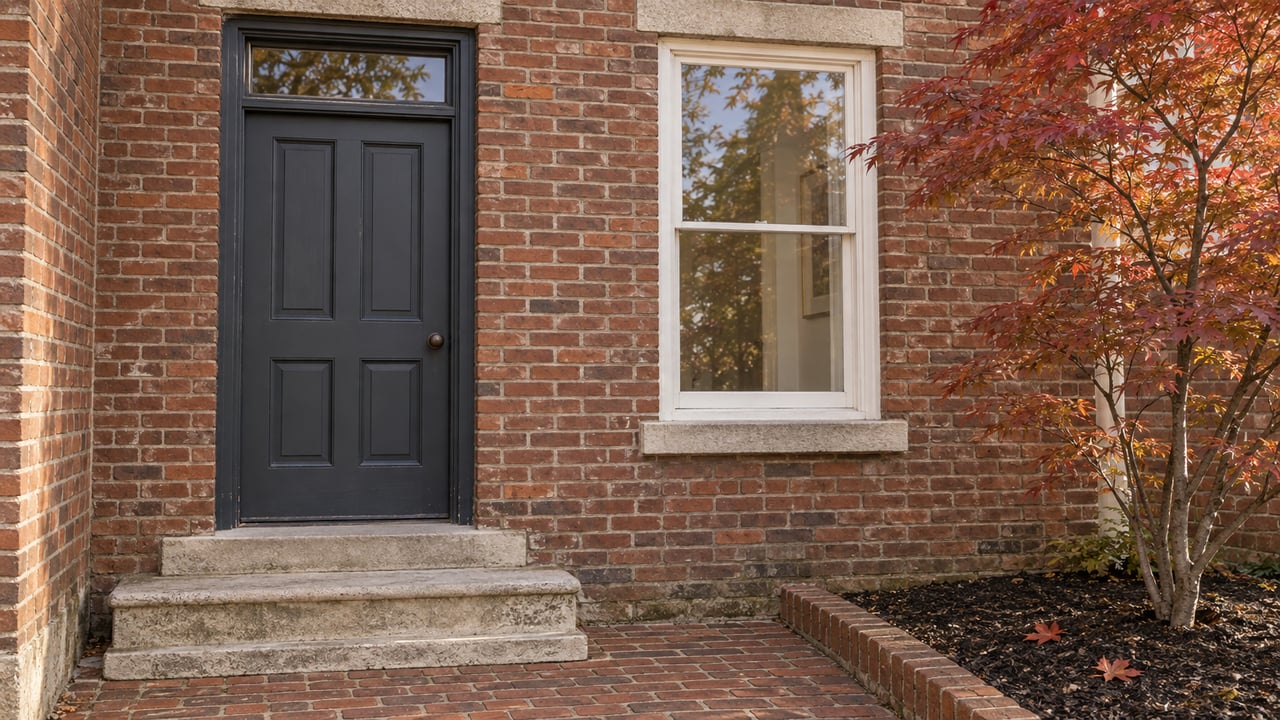
- Windows and doors. By board policy, modern hollow vinyl windows with sandwich muntins are not considered appropriate on any building, and a building permit is always required for all window replacements in the historic district. Pre-1932 front-facing windows in Parker-Gray must be repaired rather than replaced when feasible.
- Painting previously unpainted masonry. Repainting an already-painted facade in a new color does not require approval on its own. Putting paint on brick that has never been painted does.
- HVAC condensers, vents, and screening. Even "small" exterior changes, like new windows, a fence, painting previously unpainted masonry, or screening for HVAC seen from the promenade, can require review.
- Fences, stoops, railings, porches, and roofing changes on any elevation visible from the street, an alley, or the Potomac waterfront.
- Rear additions and any demolition or encapsulation over 25 square feet, visibility aside.
The common thread is not size. It is whether the change touches original fabric or the public-facing character of the block.
The calendar is the constraint
Here is the sequence a seller actually has to run. The Board of Architectural Review holds public hearings on the first and third Wednesday of every month, except August, in City Hall Council Chambers, and applications must be in and complete a minimum of 30 days prior to the hearing date. Applications route through the city's APEX permitting system.
Some scope can move faster. Some items that follow the City's administrative policies can be approved by staff, often within a few business days if your submission is complete. Like-for-like re-roofing, storm windows, minor repairs matching the original design. These are the wins to plan around when the listing date is close.
Anything larger sits on the hearing docket. Applicants typically start with a pre-application consultation to understand requirements and gather feedback, and after submission the application process takes about two months, undergoing a staff review for completeness and guideline compliance, followed by public notification and a formal BAR meeting where the project is presented, discussed, and decided upon.
Read that as a listing planner: a full BAR review consumes roughly the same window as a well-marketed Old Town listing consumes from photography to closing. Two calendars, one at a time.
The August recess is worth circling. A project that misses the mid-July docket does not get reviewed until early September. For a seller aiming at a Labor Day launch, that gap is the difference between listing with paperwork and listing with a disclosure problem.
The unpermitted-work problem
The second friction is quieter and more expensive. Old Town rowhouses have cycled through owners for two and three centuries. Along the way, plenty of exterior work happened without BAR review. A prior owner swapped sashes to vinyl in 1998. Someone else added a rear deck without pulling a permit. A shed grew where a shed should not have grown.
None of that is the current seller's fault. All of it becomes the current seller's problem the moment a buyer's agent runs a permit history and finds a gap. Unauthorized exterior work can lead to stop work orders, restoration requirements, and civil penalties under City and state authority.
Virginia is a buyer-beware state on most conditions, but material knowledge of unpermitted exterior work in a locally regulated historic district is not a comfortable disclosure to sit on. It also tends to reprice the deal. Buyers who calculate the cost of retroactive BAR review, a possible restoration order, and their own future renovation constraints usually calculate it against the seller's asking price.
The remedy is unglamorous and effective. Pull the permit history yourself, before listing. Where gaps exist, sit down with Preservation staff at 703.746.3833 and ask what a legalization path looks like. Some items can be resolved administratively. Others need a hearing. Almost all of them are cheaper to solve without a contract clock running.
A realistic pre-list sequence for a historic home
For a seller with meaningful exterior scope, ninety days is a working minimum. For a seller with clean permits and only cosmetic prep, thirty is workable.
- Day 0 to 14. Order a permit history from the city. Walk the exterior with a preservation-savvy contractor and flag anything that reads as replaced, added, or altered since original construction. Identify what needs BAR review versus what qualifies for administrative approval.
- Day 14 to 21. Request a pre-application meeting with Preservation staff. Bring current photos, a rough scope, and any product cut sheets. Confirm which items can be handled administratively and which need to sit for a hearing.
- Day 21 to 45. File administrative items in APEX and hold hearing-track items until the packet is complete. Prepare complete materials: current photos, scaled drawings, elevations, product cut sheets, and color samples. Incomplete packets get bumped.
- Day 45 to 75. Hearing docket, staff review, public notice, and Board meeting. Assume the first Wednesday after your 30-day cutoff, not the next one.
- Day 75 to 90. Building permits pulled, contractor scheduled, pre-list improvements completed, photography, launch.
That sequence assumes no surprises. Build a two-week float against roof or masonry findings that expand scope mid-project.
Where the market gives you room, and where it doesn't
Old Town rewards preparation because it moves. In 2024 the market recorded approximately 650 closed sales in the 22314 zip code, with a median sold price of $870,500 and an average sold price just over $1 million, and homes continued to sell efficiently, averaging 22 days on market, while sellers achieved strong results with sale prices averaging close to 99% of list. Looking ahead to 2026, expectations remain cautiously optimistic, inventory constraints are likely to persist particularly for townhomes and fee simple non-condo homes and updated properties in prime locations, and as a result well-priced homes should continue to attract competitive interest, while sellers benefit from limited supply rather than speculative demand.
Translate those numbers. A 22-day average from list to contract means the seller who is still resolving a BAR item during showings is negotiating from the back foot. A 99% sale-to-list ratio means Old Town buyers are not discounting for atmospherics. They are discounting for defined risk, and unresolved exterior compliance is defined risk. The upside of front-loading the approval work is not just a cleaner disclosure. It is preserving the last one percent of price the market is willing to pay for a property with its paperwork in order.
Frequently asked questions
Does BAR approval transfer at closing, or does the buyer have to reapply? An issued Certificate of Appropriateness runs with the property, not the owner. A COA in hand at listing is an asset for the buyer, especially one who plans to complete the approved scope after closing. An open, unresolved application is a liability the buyer inherits.
Do interior renovations require BAR review? Purely interior work does not, with one common exception. The Board must approve a Permit to Demolish for any proposed demolition of more than 25 square feet of material on a structure, regardless of the visibility from a public way. Wall removals in an old rowhouse can cross that threshold quickly.
What if my property is outside the local district but on the One Hundred-Year-Old Buildings list? The BAR still has authority over exterior alterations. Confirm your property's status with Preservation staff before scoping any exterior work.
Ready to plan the pre-list phase
The sellers who net the strongest results in Old Town are the ones who treat the BAR calendar as the first line of the marketing plan, not an afterthought discovered during inspections. If you are thinking about listing a historic-district home in the next six to twelve months, the useful conversation happens now, while there is still time to sequence approvals against the season you want.
Team Koki works with Old Town owners on exactly this kind of pre-list planning, from permit-history diligence to Compass Concierge improvements matched to what the Board will actually approve. Work With Us when you are ready to talk through the timeline.