Craving city energy without the DC grind? Downtown Bethesda gives you polished retail, great restaurants, and Red Line convenience in a smaller, calmer package. If you are weighing a move from a DC condo, you likely want more space and everyday ease without giving up walkability. In this guide, you will see how the Bethesda Row and Woodmont Triangle core delivers a high-end, car-light lifestyle, how the housing mix compares, and what day-to-day life really feels like. Let’s dive in.
Walkable core at a glance
Downtown Bethesda feels like its own compact city center. The core blocks around Bethesda Row and Woodmont Triangle are a walker’s paradise, with a Walk Score in the high 90s. According to Walk Score’s Bethesda overview, the heart of the district rates as extremely walkable.
Metro access is central to the appeal. The Bethesda station on the Red Line sits beneath the business district and offers frequent trains to Washington, D.C., with bike lockers and other commuter amenities listed on the WMATA station page.
The area serves an affluent, well-educated population. The Bethesda CDP counted 68,056 residents in the 2020 Census, per U.S. Census QuickFacts. Recent ACS estimates show a high median household income in the $190k to $195k range, reflected in the concentration of premium retail and dining. You can review ACS place-level data via Maryland Planning’s 2020–2024 ACS tables.
Bethesda Row vs. Woodmont Triangle
Bethesda Row is the polished retail spine, known for national lifestyle brands, boutique shops, a cinema, and standout restaurants. The Row’s brand roster and steady openings underscore the luxury feel, as highlighted in local reporting on Bethesda Row’s retailers.
Just a few blocks away, Woodmont Triangle reads more neighborhood-friendly, with a dense cluster of local eateries, pubs, and long-standing spots for casual dinners and happy hours. For a flavor of the Triangle’s social energy, check this roundup of local happy-hour favorites. Walking between the two takes only minutes, which makes dinner-and-a-movie nights simple.
Homes and pricing essentials
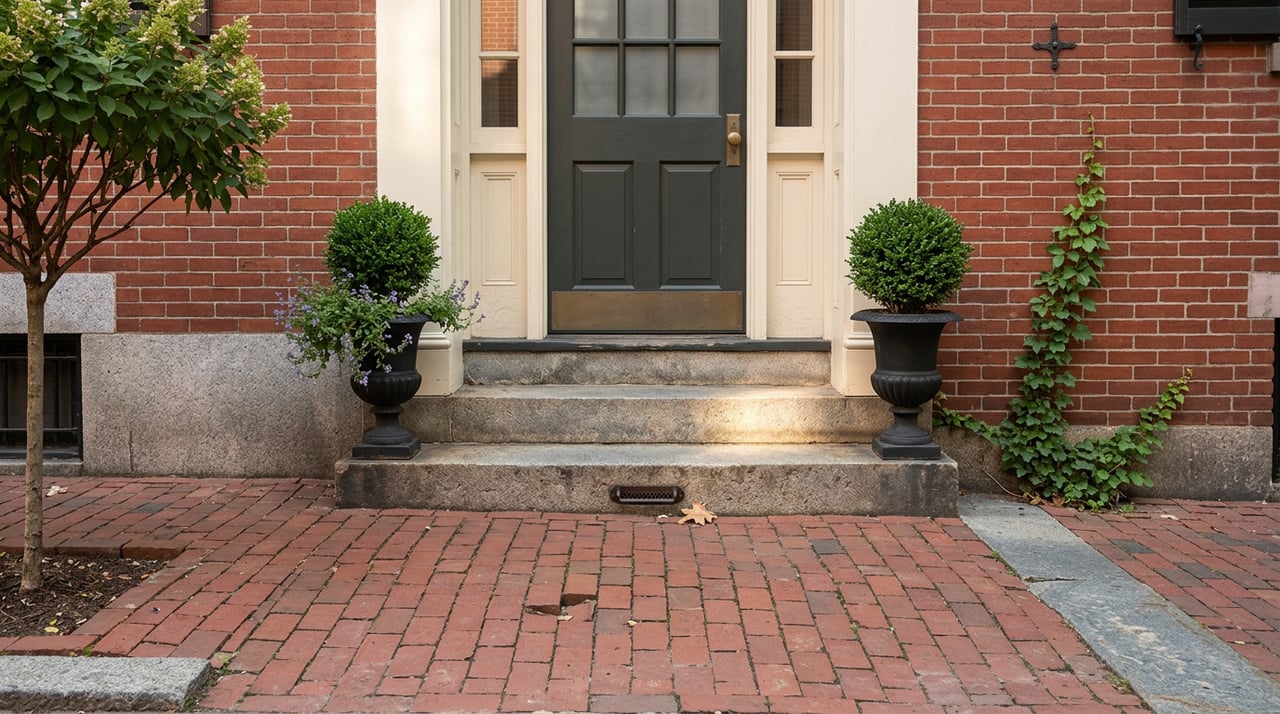
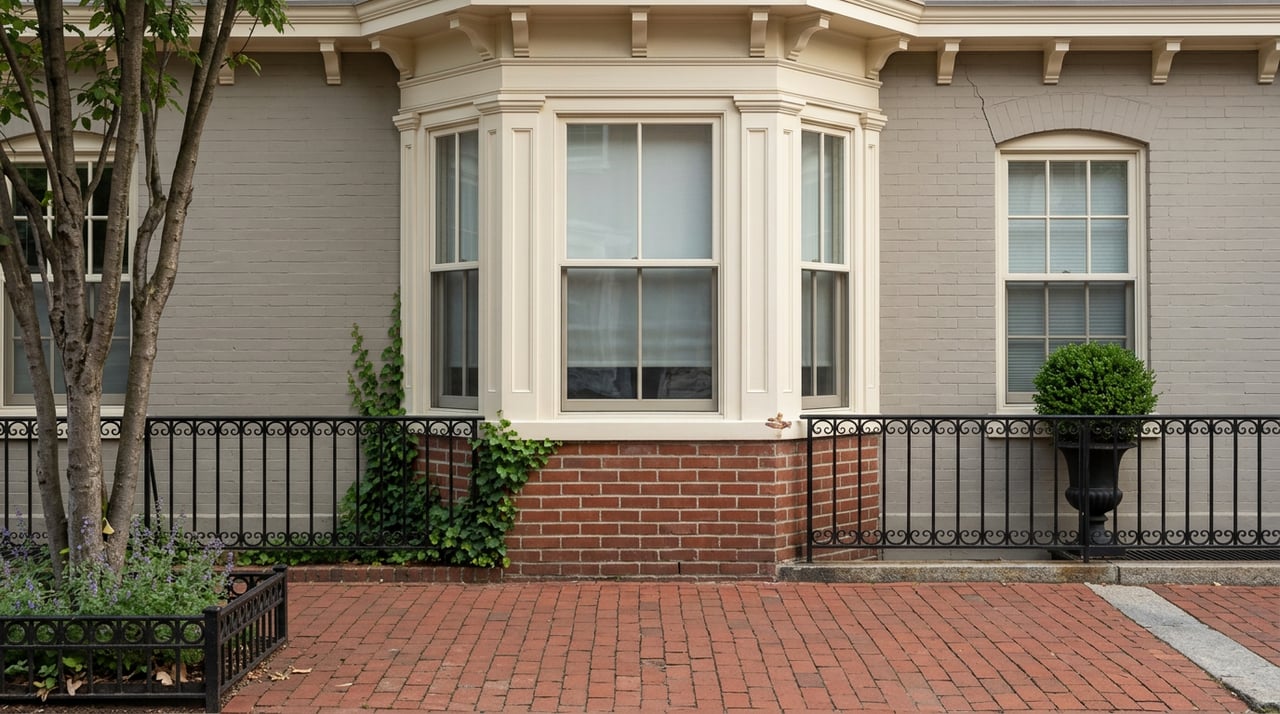
You will find a true mix of homes in and near the downtown grid. High-rise and mid-rise condos sit steps from the retail corridor, many with amenities like concierge, gyms, and resident lounges. A few blocks away, you transition into renovated single-family streets and new infill homes in pockets like Battery Park and Edgemoor. A recent Washington Post feature captures Battery Park’s small-town feel and the appeal of being able to stroll to restaurants and markets, which resonates with many condo-to-suburb movers. Read more in the Washington Post’s neighborhood profile.
As context, aggregated market snapshots often show an overall Bethesda median sale price in the $1.1M to $1.3M range, with downtown condo-heavy medians notably lower, around the low to mid $700s on some datasets. Treat these as directional only since medians shift month to month based on inventory mix and interest rates. The condo market usually offers the entry point into downtown living, while single-family streets command higher prices due to lot size and demand.
Rentals are plentiful in newer apartment buildings and some condo resales. The downtown rental market is competitive, with pricing often in line with or slightly below comparable central DC buildings for similar unit sizes, subject to building-by-building variation.
Getting around: Metro, walking, and bikes
Central Bethesda is built for short trips on foot. Walking to a coffee shop, grocery, or dinner is the norm if you live near the core blocks identified by Walk Score. If you need the train, the Bethesda Red Line station offers frequent service to key downtown DC stations. Local bus routes, including Montgomery County’s Ride On service, feed into the hub and expand your options for short hops around the area.
Construction updates are worth watching. Ongoing Purple Line work and access improvements around the station can temporarily affect surface routes and station entries. Check the WMATA Bethesda station page for current notices when planning commutes or scheduling showings.
Daily life: parks, markets, and culture
Outdoor time is built into the lifestyle. The Capital Crescent Trail begins right in downtown Bethesda and runs toward Georgetown and the Potomac, providing a paved route for running, biking, and weekend family rides. Explore access points and route details on TrailLink’s Capital Crescent Trail page.
Cultural anchors add depth to evenings and weekends. Round House Theatre offers professional productions and classes, including family programming that brings the arts within walking distance of many homes. See current offerings through CultureSpotMC’s Round House Theatre listing.
On Sundays, the Bethesda Central Farm Market draws neighbors for produce, baked goods, and prepared foods. It is a simple stroll from much of the downtown grid. Check dates and vendor highlights at Central Farm Markets.
For DC condo owners: gains and tradeoffs
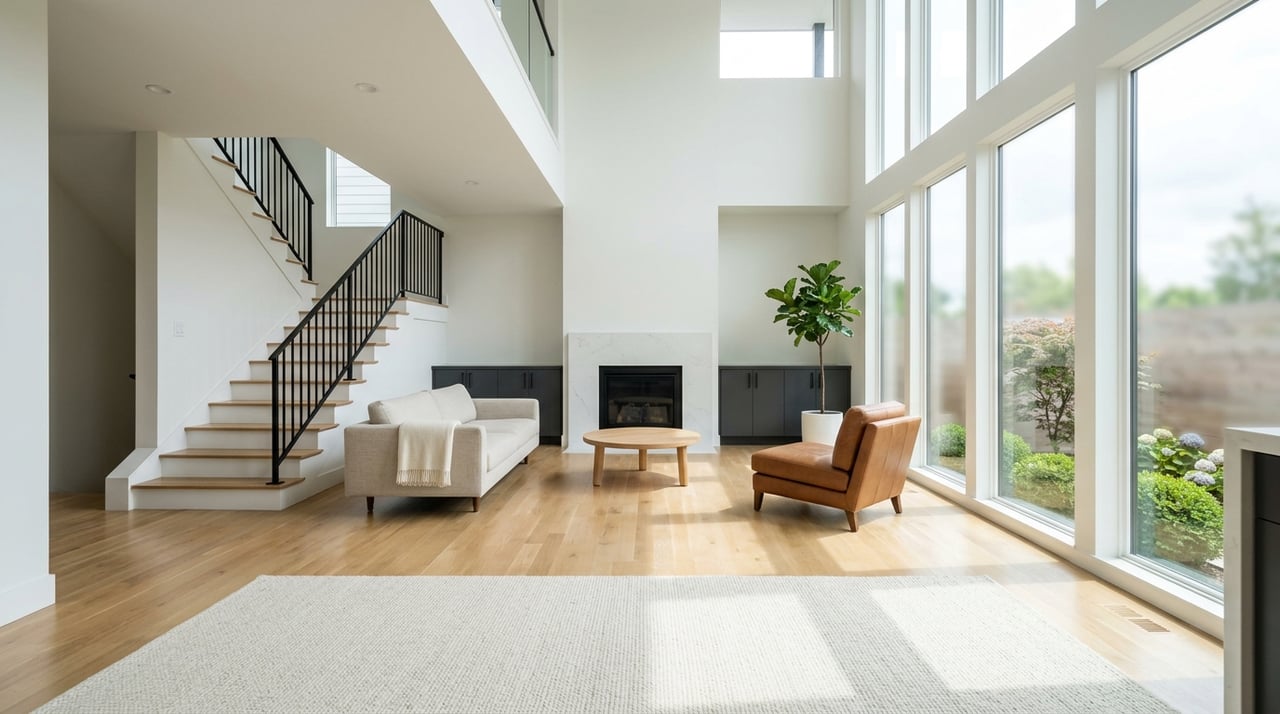
Moving from a DC condo, you typically gain interior space, quieter side streets, and access to top public schools within a short drive or walk. The downtown condo scene preserves much of the condo lifestyle, while single-family pockets let you step up to a yard and more storage without losing proximity to the Row.
The main tradeoffs are price and logistics. Bethesda’s single-family homes are expensive, and even condos can be competitive. Parking is garage-based or metered around the core and can feel tight at peak dining hours. Construction near the station may also add a few detours during certain phases, so plan arrivals and moving days with posted notices in mind on the WMATA Bethesda page.
Quick property comparisons
- Downtown condo lifestyle: 1 to 2 bedrooms in amenity buildings near Bethesda Row often include on-site fitness, concierge, and secure garage parking. Floor plans tend to be larger than many older DC condos, and you keep the car-light, walk-everywhere routine.
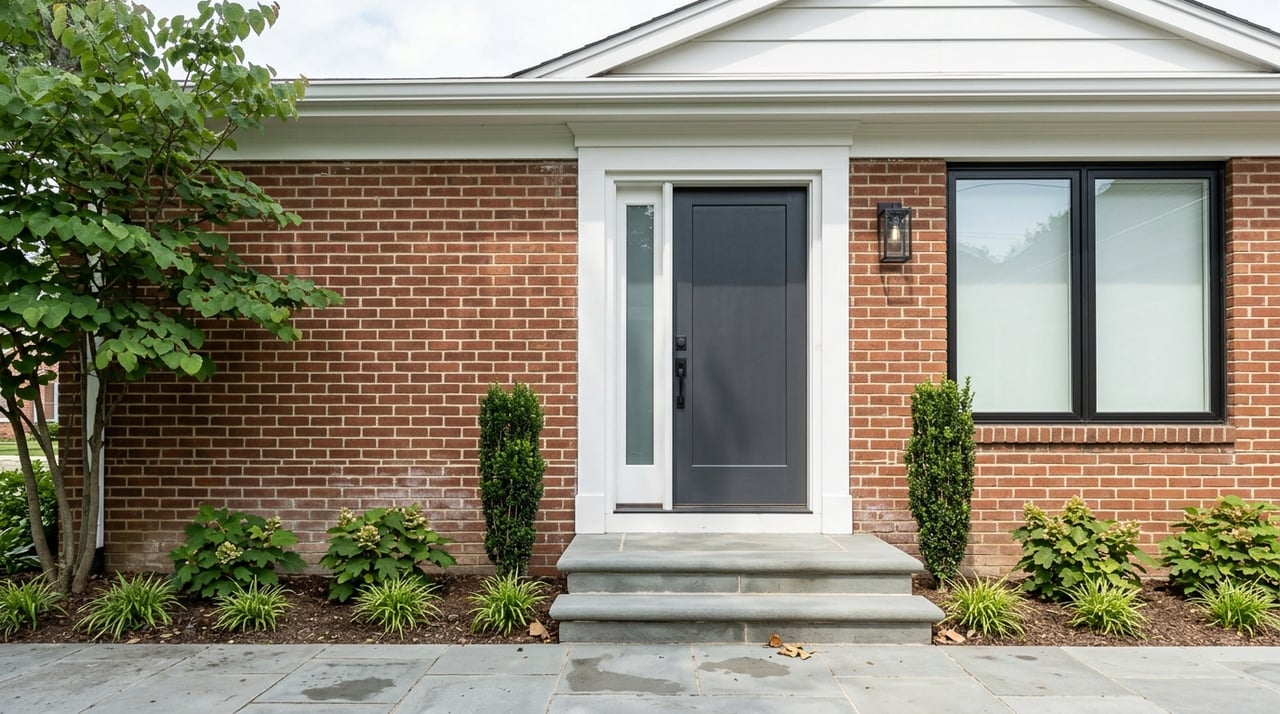
- Nearby single-family streets: 3 to 4 bedrooms a short walk or drive from the core deliver more interior square footage, outdoor space, and a calmer block. You trade a few extra minutes to the station or Row for privacy and room to grow.
Use these as frameworks rather than hard rules since each building and block reads differently. If walkability is your top priority, prioritize addresses within a quick stroll of the Metro, Bethesda Row, and a Capital Crescent Trail entrance.
A walkable weekend in four stops
- Morning: Jog or bike the Capital Crescent Trail, then grab coffee on the way home.
- Midday: Run errands on Bethesda Row and browse a few boutiques.
- Dinner: Meet friends for a casual bite in Woodmont Triangle.
- Sunday: Stroll the Bethesda Central Farm Market for produce and baked treats.
Schools and family details
Public schools are a major draw. Downtown-adjacent neighborhoods are served by Montgomery County Public Schools. High schools that serve parts of Bethesda include Walt Whitman High School and Bethesda‑Chevy Chase High School, with middle schools such as Pyle and Westland, plus several neighborhood elementary schools. Always confirm current school assignments directly with MCPS before you buy, since boundaries can change.
How Team Koki helps you move with confidence
Whether you want a condo steps from Bethesda Row or a single-family home near the trail, you benefit from expert guidance on block-by-block nuance, pricing, and timing. Team Koki provides buyer and seller representation, relocation support, and a concierge approach to prep and presentation. If you are selling, Compass Concierge and professional staging can elevate your listing to stand out in a premium market.
Ready to compare options and tour the best streets for your lifestyle? Connect with Koki Adasi to start a tailored, no-pressure plan.
FAQs
What is it like to live in Downtown Bethesda?
- It feels like a compact, upscale city center with high walkability near Bethesda Row and Woodmont Triangle, strong dining and retail, and Red Line access via the Bethesda Metro station.
How convenient is the Metro from Downtown Bethesda?
- The station sits under the core business district, offering frequent Red Line trains and bike amenities listed on the WMATA station page.
What housing types are available near Bethesda Row?
- You will see amenity-rich condos and apartments in the core and renovated single-family homes plus new infill just a few blocks away, with each block offering different tradeoffs in space, price, and walkability.
How expensive is buying in Downtown Bethesda today?
- Aggregated snapshots often show overall Bethesda medians around $1.1M to $1.3M, with downtown condo-heavy medians lower, though month-to-month shifts and product mix can change the picture quickly.
Are there parks or trails near the downtown core?
- Yes, the Capital Crescent Trail begins in downtown Bethesda and offers a paved route toward Georgetown, popular for running and biking per TrailLink’s overview.
Which public schools serve Downtown Bethesda neighborhoods?
- Montgomery County Public Schools serves the area, with high schools including Walt Whitman and Bethesda‑Chevy Chase and middle schools such as Pyle and Westland; always confirm current assignments with MCPS.
Is parking difficult in Downtown Bethesda?
- Parking is managed by garages and meters around the core and can feel tight at peak hours, so verify garage access and included spaces for any building you consider.