Pull five different sources on Logan Circle's home price this year and you will get five different numbers. Zillow's home value index put the average at $566,748 as of the end of July. A market breakdown built on Redfin's historic-district-specific figures landed on $1.05 million. Another source, blending condos and rowhouses into one number, came in around $860,000. None of these are typos, and none of them are lying. They are answers to three different questions that all happen to use the word "median."
If you are weighing Dupont Circle against Logan Circle before writing an offer, that gap matters more than it should have to. It is not one neighborhood beating the other. It is a reminder that a median only tells you as much as the inventory behind it, and in these two neighborhoods, that inventory looks nothing alike.
Condo to condo, the gap is real, and it isn't about prestige
Strip out the rowhouses and compare condos on their own, and the picture sharpens without simplifying. In July 2026, Dupont Circle's condo median sat at $480,000, with units spending an average of 49 days on market. Logan Circle's condo figures for early 2026 ran meaningfully higher: $690,750 in January, with a separate January snapshot putting the median closer to $725,000 and price per square foot in the mid-$600s.
| Condo median | As of | Days on market | |
|---|---|---|---|
| Dupont Circle | $480,000 | July 2026 | 49 |
| Logan Circle | $690,750 | January 2026 | 39 |
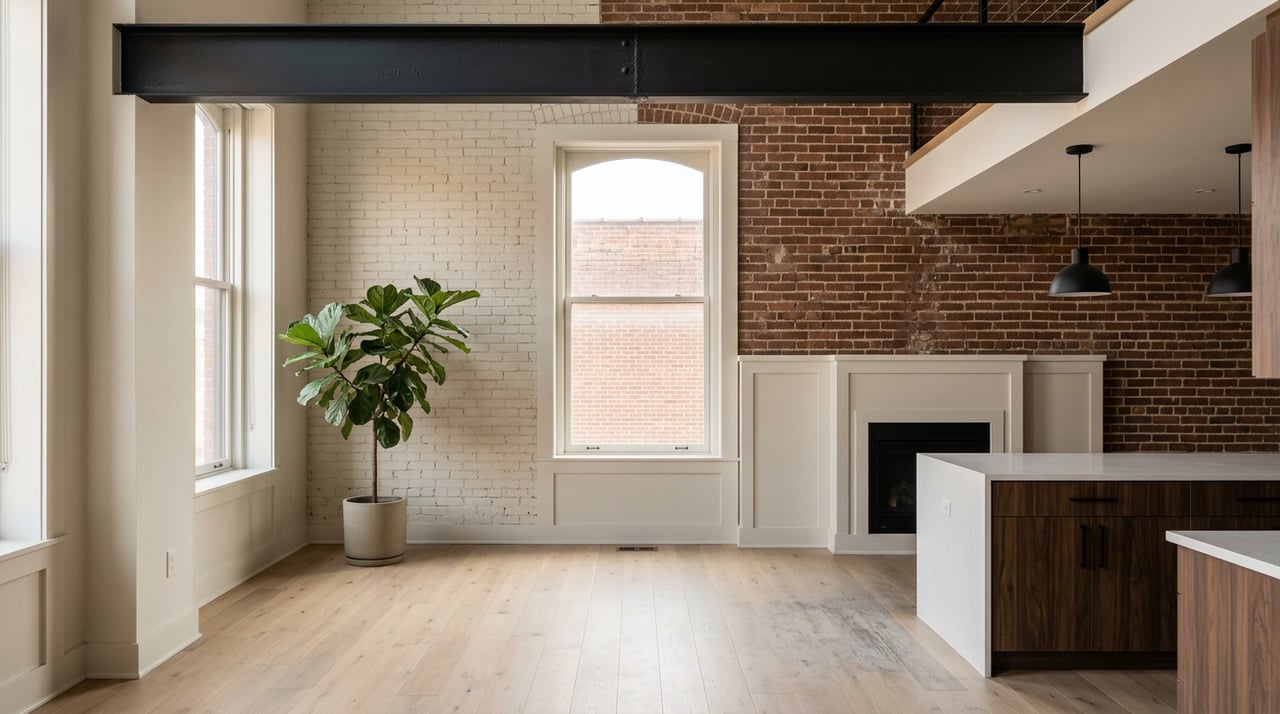
That $200,000-plus spread between condo markets, months apart but consistent in direction, is not a verdict on which neighborhood is more desirable. It is a product difference. Logan's condo inventory leans on newer construction and loft conversions, some built out of old auto showrooms and parish schools, with roof decks and concierge service baked into the price. Dupont's condo stock leans older: boutique buildings, co-ops, and units carved out of Gilded Age mansions, often with fewer elevators and no gym. A buyer choosing between a $480,000 unit in Dupont and a $690,000 unit in Logan is not choosing a cheaper neighborhood over a pricier one. They are choosing a pre-war conversion over a newer amenity building, and the price gap is the amenity gap, not the address.
A single rowhouse "median" hides more than it reveals
If condo medians diverge by neighborhood, rowhouse medians diverge within a single block. As of August 2026, Logan Circle's townhouse median priced at $699,000, with an average sale price of $942,690 and homes spending 46 days on market, across a listed range from $854,950 to just under $4 million. That range is the whole story in miniature. Four recent sales make the point even sharper than the aggregate does:
- 14 Logan Cir NW sold for $3.5 million in August 2025: 4,884 square feet, 9 bedrooms, 4 bathrooms, 2-car garage, directly on the circle.
- 1436 Q St NW sold in May 2026 for $2,264,500, after listing at $2,195,000.
- 1223 O St NW sold in April 2026 for $1,415,000: 4 bedrooms, 3.5 baths, 2,769 square feet, 36 days on market, 2 percent below list.
- 6 Logan Cir NW #2 sold for $685,000 after 76 days on market, with a private garden patio and gated parking as the standout features.
That is a $2.8 million spread inside one neighborhood's rowhouse category, driven by proximity to the circle, scale, and parking, not by which side of the Dupont-Logan line the address falls on. A "median rowhouse price" for either neighborhood is really an average of very different products: on-circle mansions, mid-block Victorians, and small condo-converted units inside larger rowhouse shells. Treating that average as a single price point will mislead a buyer or a seller faster than any missing data point would.
The two rules that matter more than the price gap
Two structural details in this pocket of DC change the math for a buyer far more than the headline median does, and neither shows up in a portal search.
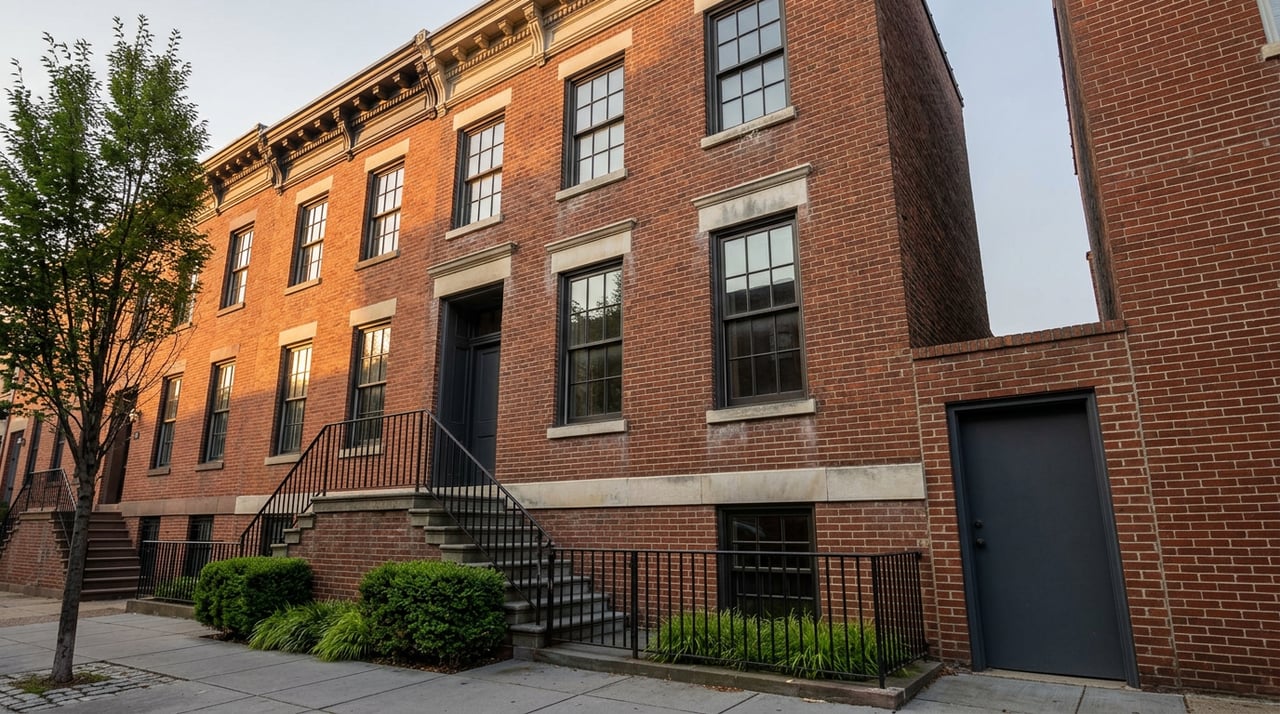
The first is historic preservation review. Almost all of Logan Circle sits inside a designated historic district, with a period of significance generally cited between 1875 and 1900. That means the Historic Preservation Review Board has authority over anything visible from the street, including rooflines, window replacements, and additions. A buyer planning to renovate a Logan Circle rowhouse is not just budgeting for contractors. They are budgeting for a review process that a non-historic-district condo purchase never has to clear.
The second is DC's TOPA reform, formalized through what is commonly called the RENTAL Act. Tenant Opportunity to Purchase rights used to be a real headache for investors, allowing tenants to delay a sale for months. Recent reforms have narrowed that exposure for single-family homes and small multifamily buildings of two to four units, giving investors clearer exemptions and less timeline risk than the process carried even two years ago. For anyone comparing a Logan Circle rowhouse-to-condo conversion against a similar building in Dupont, this reform changes the holding-cost math on the investment side in a way the sale price alone never will.
What to actually compare, if not the median
Once you set the neighborhood-level median aside, the useful comparison becomes block and building type. A condo one to two blocks off 14th Street in Logan, on a quieter stretch like Church or R, behaves differently than a unit directly on the corridor, where nightlife and foot traffic run later. A Dupont co-op near the Circle and the Metro plaza trades walkability for a smaller footprint and an older building envelope. Neither trade-off is better. They are different products wearing the same neighborhood label.
The broader DC condo market gives useful context here too. As of March 2026, the DC metro's condo segment carried roughly 4.84 months of supply, the most buyer-friendly reading in the region, while single-family and rowhouse product continued to move faster and hold value better. That citywide pattern shows up locally: Logan's rowhouses keep commanding premiums and quick sales near the top of the market, while both neighborhoods' condo segments give buyers more room to negotiate than they had a few years ago.
Frequently asked questions
Does Logan Circle's higher median mean it's the better neighborhood? No. The gap mostly reflects building age and amenity level, not location quality. Dupont's lower condo median comes from an older, smaller-unit inventory; Logan's higher one comes from newer construction and loft conversions. Both neighborhoods sit inside the same walkable, transit-connected core of Northwest DC.
Do the Historic Preservation Review Board rules apply to condos, or just rowhouses? They apply to anything visible from the street within the designated historic district, which includes condo buildings converted from historic rowhouses or mansions. A buyer planning exterior changes, even to a condo unit's windows or a shared roof deck, should confirm what falls under HPRB review before assuming a straightforward renovation timeline.
How does the TOPA reform affect someone buying a small multifamily building here? The 2026 changes give clearer exemptions for two-to-four-unit properties, reducing the risk that a tenant can delay closing for an extended period. It does not eliminate tenant notification requirements, so buyers should still confirm the current process with legal counsel before assuming a fast close.
If you are trying to figure out what a specific block, building, or price point actually gets you in Dupont or Logan Circle, that is the conversation worth having before the offer, not after. Team Koki works this corridor block by block and can walk you through what today's inventory in either neighborhood actually looks like against your budget. Work With Us.