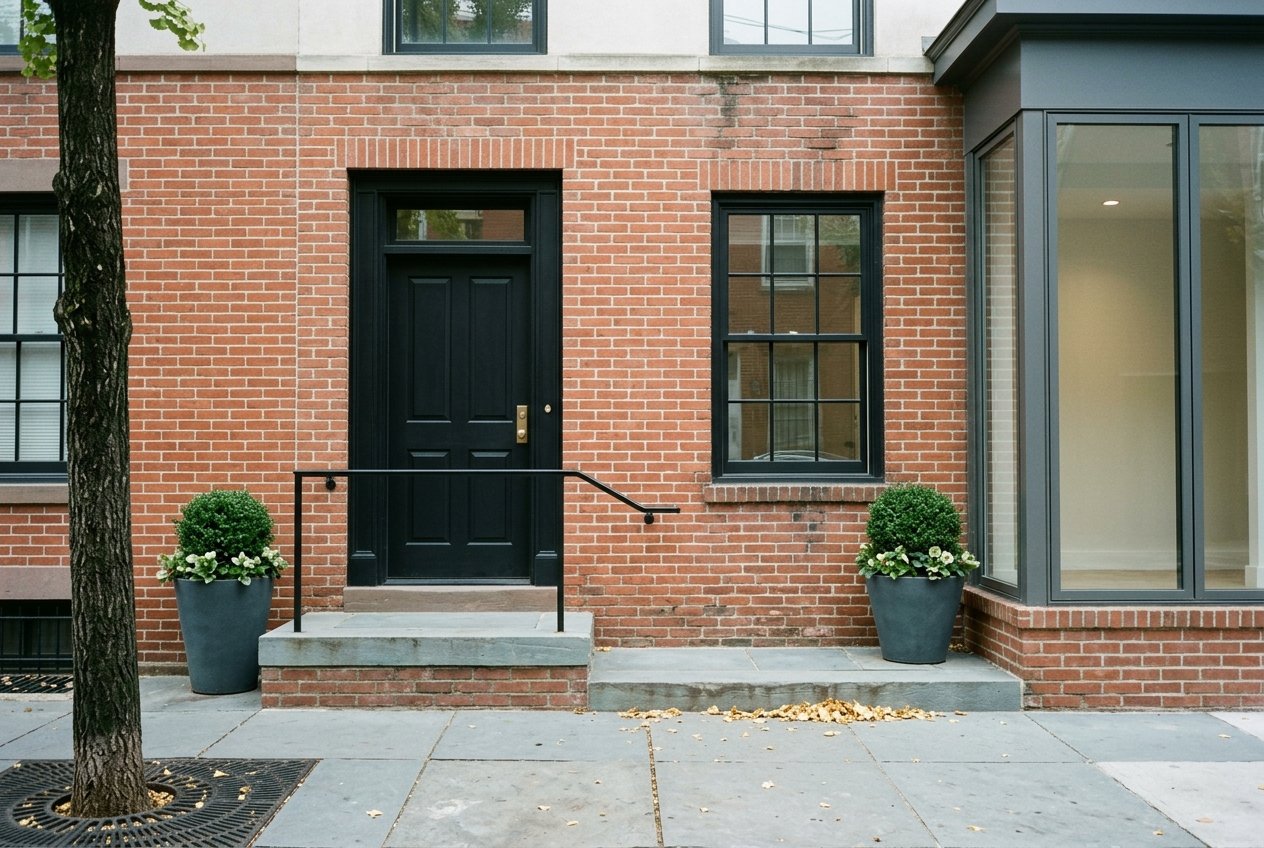
Trying to choose between a rowhouse and a condo in Dupont Circle or Logan Circle? You are not alone. In these two highly walkable DC neighborhoods, the choice is rarely just about price. It is about how you want to live day to day, what kind of upkeep you are comfortable with, and how much flexibility you want over your space. This guide will help you compare the tradeoffs clearly so you can focus on the right fit for your lifestyle and budget. Let’s dive in.
Dupont and Logan at a glance
Both Dupont Circle and Logan Circle offer classic DC housing stock, strong walkability, and easy access to shops, dining, and transit. Logan Circle is known for its historic residential circle and 14th Street corridor, while Dupont Circle is closely associated with bistros, boutiques, museums, Embassy Row, and its Sunday farmers market.
The numbers also show how urban and convenient these neighborhoods are. Logan Circle has a Walk Score of 96 and a Transit Score of 90. Dupont Circle has a Walk Score of 98, along with Red Line station and bus access noted by the Dupont BID.
What homes look like here
Rowhouses are a big part of both neighborhoods
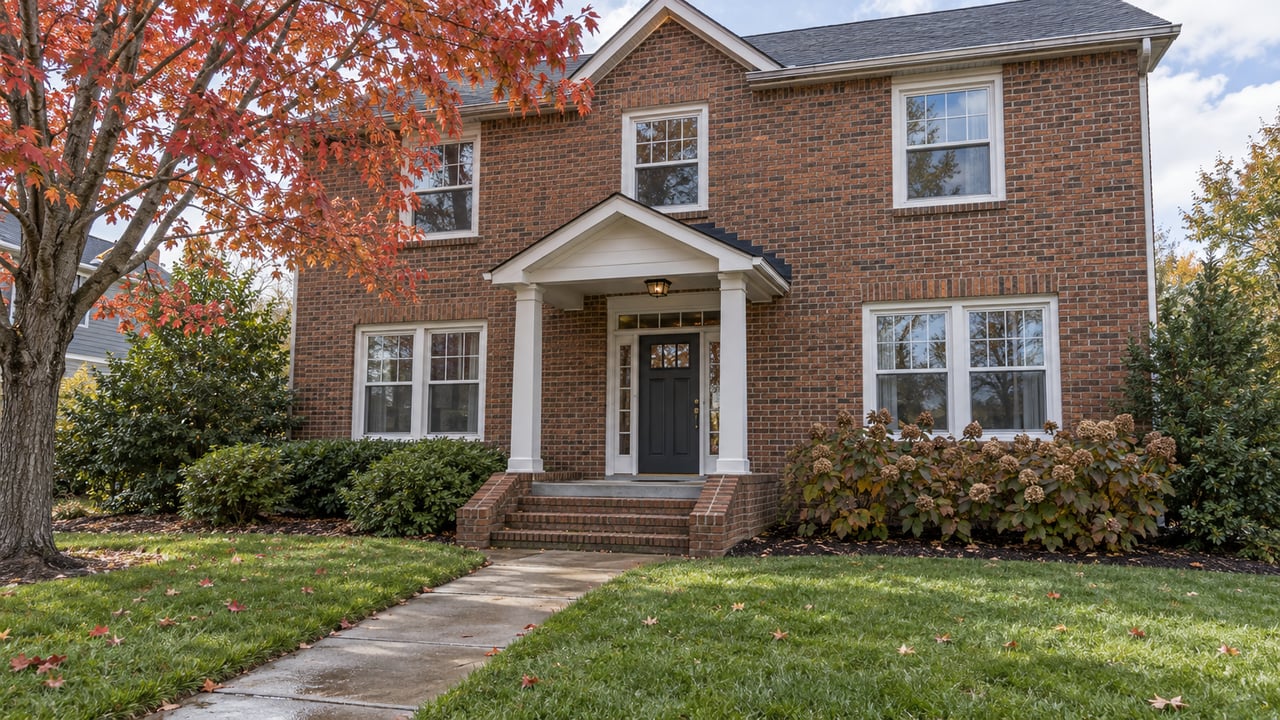
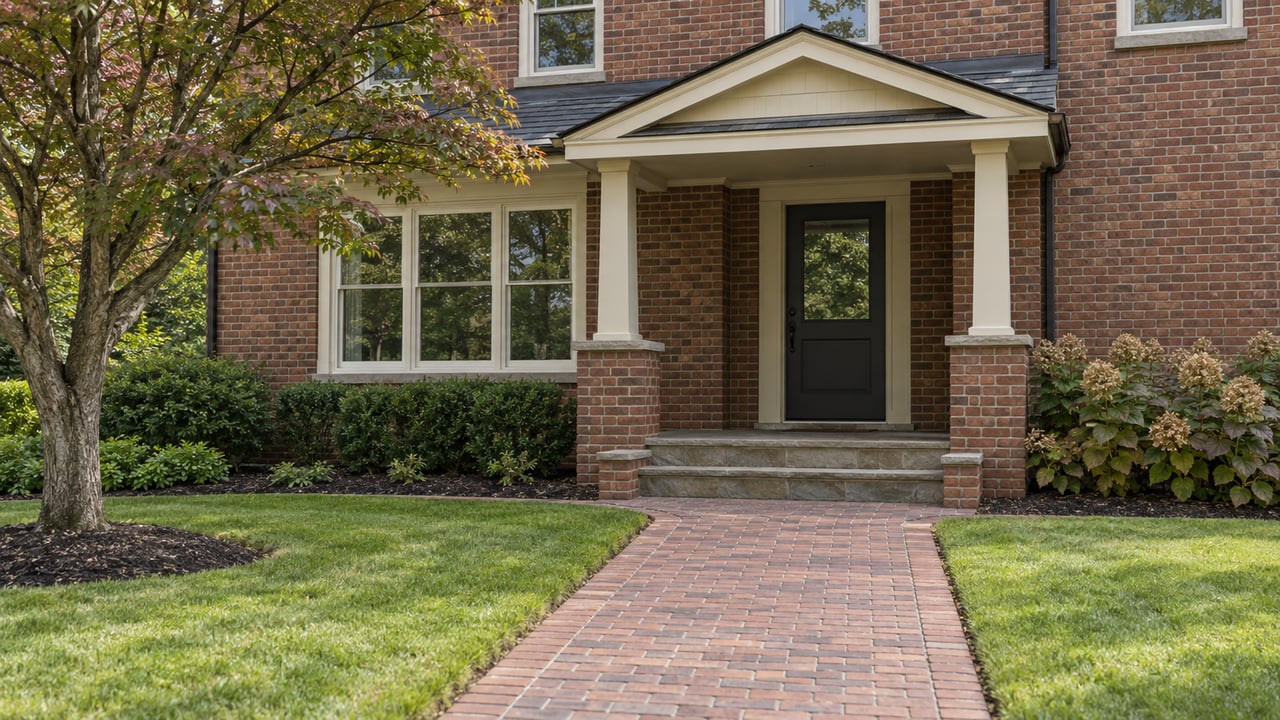
In both Logan and Dupont, rowhouses shape the streetscape. The DC Office of Planning describes Logan’s radial streets as often lined with identical rowhouses in groups of three to five, and the Dupont historic district also includes blocks lined with rowhouses along the grid streets.
If you picture a classic DC home with multiple levels, historic detail, and more separation between living spaces, you are likely picturing the rowhouse side of this market. These homes often deliver more interior volume and a stronger sense of privacy than many condos.
Condos come in more forms than many buyers expect
A condo in these neighborhoods is not always a unit in a large modern tower. Current listings include condo conversions inside Victorian rowhouses, smaller boutique buildings, and renovated historic buildings.
That matters because your condo options can vary widely. One building may offer a private patio or shared courtyard, while another may include a rooftop pool, concierge desk, or utilities in the HOA dues.
Price difference is often the first filter
For many buyers, entry price narrows the options quickly. Current listing snapshots show a wide gap between condos and townhouses in both neighborhoods.
| Neighborhood | Condos median list price | Townhouses median list price |
|---|---|---|
| Logan Circle | $550K | $1.29M |
| Dupont Circle | $432K | $2.1M |
The takeaway is simple. If you want to buy into either neighborhood at a lower price point, a condo will usually offer the more accessible path. If you want a larger rowhouse in Dupont, be prepared for a much steeper premium.
How daily living really differs
Why buyers choose rowhouses
Rowhouses generally offer more square footage, more vertical separation, and more opportunities for private outdoor space or parking. Current examples in Logan include three-level homes with yards, fireplaces, and generous interior space. In Dupont, townhouse listings can include more complex setups such as a main house with an English basement or carriage house configuration.
If you work from home, host often, or simply want stronger separation between sleeping, living, and entertaining areas, that extra room can matter a lot. A rowhouse can also feel more autonomous because you are not sharing hallways, lobbies, or building-level systems in the same way you would in a condo.
Why buyers choose condos
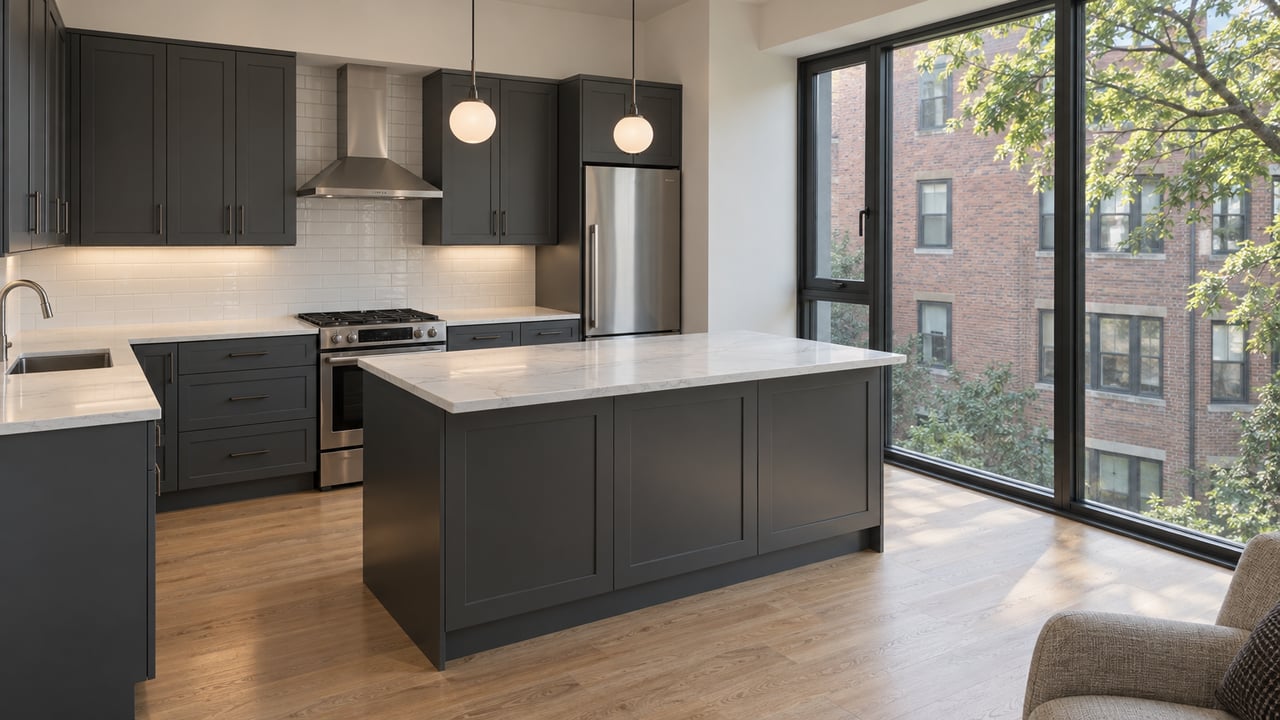
Condos usually trade some square footage for convenience. Current listings show one- and two-bedroom layouts with features like in-unit laundry, balconies or patios, rooftop access, shared courtyards, and in some cases pools or reception desks.
That trade can make a lot of sense if you want less direct maintenance and a more lock-and-leave lifestyle. For many urban buyers, the appeal is not just the lower entry price. It is the ability to live in a central location without taking on the full upkeep of a larger historic home.
Maintenance is where the decision gets real
Rowhouses give you more control and more responsibility
With a rowhouse, you usually have more autonomy over your property. You are not reviewing condo budgets or shared building reserves before writing an offer. But you are taking on more direct responsibility for repairs, maintenance, utilities, taxes, insurance, and emergency savings.
That can be manageable if you are ready for it. It can feel heavy if you want predictable monthly costs and fewer repair surprises.
Condos shift maintenance, not cost
A condo can reduce the amount of maintenance you handle personally, but it does not eliminate those costs. Condo or HOA dues are generally separate from the mortgage, and they can range from a few hundred dollars to more than $1,000 per month.
Before you fall in love with a unit, look closely at what the dues cover. The details can shape your true monthly cost as much as the purchase price does.
Historic district rules matter in both neighborhoods
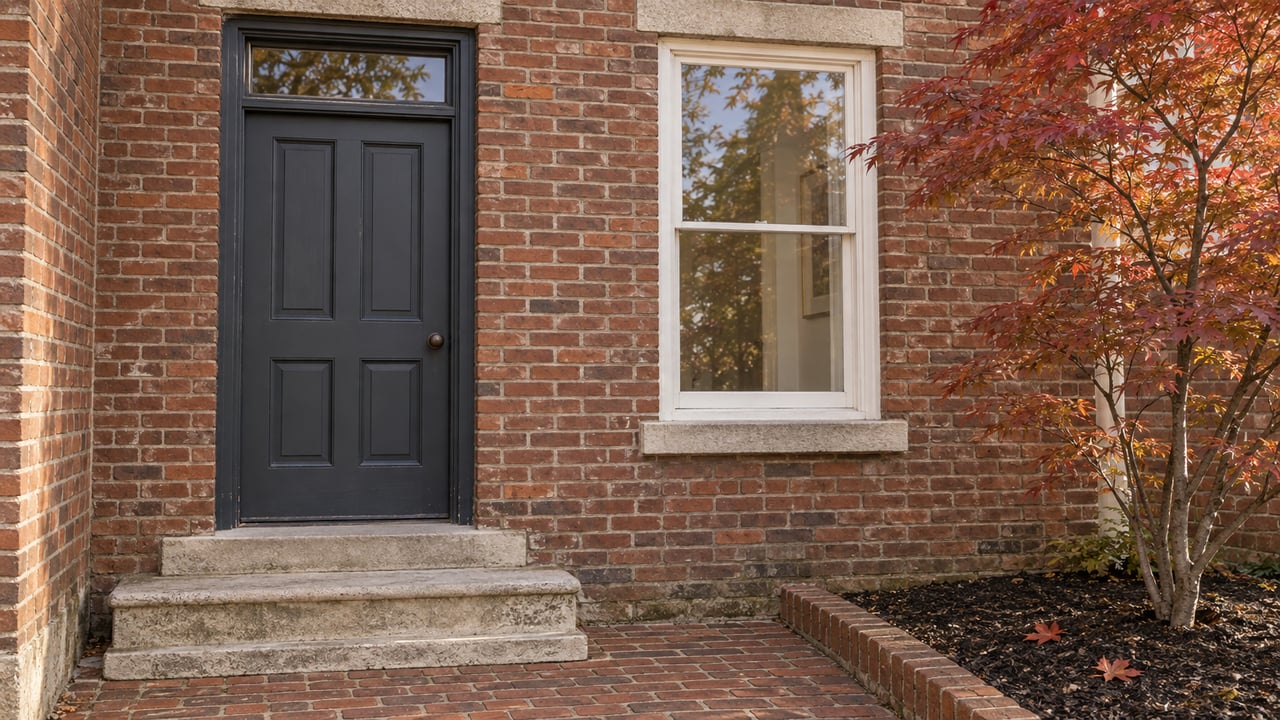
Dupont and Logan are both historic-district environments, and that affects exterior work. The DC Office of Planning says exterior alterations to historic properties are subject to review by the Historic Preservation Review Board. The DC Department of Buildings also notes that historic-property permits can be required for work such as brick pointing, roof replacement, siding, fences, and patios.
For rowhouse buyers, this is especially important. If you are thinking ahead about windows, a porch update, masonry work, or roofing, those projects may require more planning than they would in a non-historic setting.
That does not mean you should avoid a historic home. It simply means you should buy with clear expectations about timing, approvals, and renovation scope.
Financing and resale can differ more than you think
Condo resale is about the building too
When you buy a condo, you are buying into both a unit and a shared project. Fannie Mae notes that condo projects have added eligibility standards because owners share financial obligations for the building, exterior property, and amenities.
That is why condo due diligence goes beyond finishes and floor plan. Critical repairs, insufficient master insurance, significant litigation, or certain short-term-rental setups can affect financing and later resale.
Rowhouses avoid some condo-specific hurdles
A rowhouse does not carry that condo-project layer. You are not relying on a building’s reserves, insurance structure, or association management in the same way.
Still, rowhouses in these neighborhoods are not friction-free. Historic district review can shape exterior improvements, and that can influence both your renovation plans and how future buyers view the property.
Neighborhood feel can tip the scale
Even if your budget allows both property types, the right choice often comes down to how you want your home to support your routine. Logan Circle tends to pair a more residential feel around the circle with the energy of 14th Street dining and nightlife. Dupont Circle offers a dense mix of restaurants, boutiques, museums, Embassy Row, and strong transit access.
If you want more room to spread out in a historic setting, a rowhouse may feel more aligned with the neighborhood experience you are after. If you want convenience and a lower-maintenance base near the action, a condo may be the better match.
A simple way to decide
If you are torn, use these questions as a filter:
- Do you want more space and privacy, or less upkeep and more convenience?
- Is your priority a lower entry price, or are you comfortable paying more for a larger footprint?
- Would you rather manage your own home systems, or share that responsibility through an HOA?
- Are you comfortable navigating historic-district rules for exterior work?
- If buying a condo, have you reviewed the dues, reserves, insurance, and any possible special assessments?
In Dupont and Logan, this decision is rarely abstract. It is address-specific. Two condos can feel completely different from one another, and two rowhouses can come with very different maintenance demands and renovation potential.
The best next step is to compare actual floor plans, monthly carrying costs, and condo documents side by side. That is often where the right answer becomes obvious.
If you want help weighing a condo against a rowhouse in Dupont or Logan, Koki Adasi can help you compare the numbers, the lifestyle tradeoffs, and the fine print so you can move with confidence.
FAQs
Should you buy a rowhouse or condo in Logan Circle?
- If you want more space, privacy, and autonomy, a rowhouse may fit better. If you want a lower entry price and less direct maintenance, a condo is often the stronger option.
Are condos cheaper than rowhouses in Dupont Circle?
- Based on current listing snapshots, yes. Dupont condos are listed at a median of about $432K, while townhouses are listed at a median of about $2.1M.
Do historic district rules affect Dupont and Logan homes?
- Yes. In both neighborhoods, exterior alterations to historic properties may require review or permits for work such as roofing, brick pointing, fences, patios, and similar exterior changes.
What should you review before buying a condo in Dupont or Logan?
- Review HOA dues, reserves, insurance, any special assessments, and whether project issues could affect financing or resale.
Are Logan Circle and Dupont Circle walkable for daily life?
- Yes. Logan Circle has a Walk Score of 96, and Dupont Circle has a Walk Score of 98, which supports easy access to dining, shopping, and transit.
Is a rowhouse easier to resell than a condo in DC?
- Not always. A rowhouse avoids condo-project issues, but condo resale can depend heavily on building health, and rowhouses can be affected by historic-district rules for exterior work.